Business
Top 10 React Development Companies You Should Know in 2025
Discover the leading React development companies delivering high-quality web and mobile applications. Get insights into services, pricing, and how to choose the right partner.


Introduction
In the ever-evolving world of web and mobile applications, choosing the right partner for your front-end stack matters more than ever. Today, many businesses turn to React as their framework of choice, and behind that decision lies a search for trusted, effective React development companies. Whether you’re launching a new product or scaling an enterprise system, partnering with a team experienced in React can make all the difference.
This article explores what to look for in a React development company, reviews some of the top firms in the space, and offers practical advice for hiring the right one. With the right insights, you’ll be empowered to make a confident decision that helps your project succeed and positions your business for future growth.
What Makes a React Development Company Stand Out?
Strong Portfolio and Proven React Expertise
When evaluating React development companies, the most telling sign is their track record. Do they have live React applications you can test? Are there case studies that demonstrate how they’ve solved client problems using React? A team that has built multiple high-quality React applications shows they understand the nuances of the library—component lifecycle, hooks, performance tuning, server-side rendering (SSR), and progressive web apps (PWAs).
Technical Skills Beyond Just React
While React is the focus, top React development companies bring more than just view-layer skills. They understand how to integrate React with Redux or other state management systems, APIs (REST, GraphQL), backend services, CI/CD pipelines, and cloud deployment. They build for scalability and maintainability. If the team knows how to optimise React apps—lazy loading, code splitting, hydration, SSR—they will deliver better performing user experiences.
Collaboration, Communication and Process
Great React development firms don’t just code—they partner. They ask the right questions, understand your business goals, provide clear timelines, and collaborate with your team. Agile methodologies, transparent workflows, regular demos and strong version-control practices matter. When you engage one of the best React development companies, you gain a partner who cares about the product and your end-users.
Why Hiring the Right React Development Company Matters
Faster Time to Market & Lower Risk
A capable React development company can accelerate your launch while minimising risk. They’ll reuse best-practice components, follow well-tested architecture patterns, and avoid common pitfalls specific to React such as unmounted component memory leaks or inefficient render cycles. This saves time, money, and headaches.
High-Quality User Experience & Performance
Since React is designed to help build rich, dynamic user interfaces, the development quality significantly impacts how users perceive your product. A good React development partner will focus on performance, accessibility, responsiveness, and compatibility across devices and browsers. These factors contribute directly to user satisfaction and retention.
Long-Term Maintainability & Growth
Your web or mobile app should evolve. A React development company that writes clean, documented, modular code will make future updates, feature additions, and maintenance much easier. They will help you avoid technical debt, making your product sustainable and easier for new team members to pick up.
Top Features to Look For in a React Development Company
Below is a quick checklist you can use when evaluating firms.
| Feature | Why It Matters |
|---|---|
| Portfolio of React apps | Demonstrates real‐world experience with React’s ecosystem. |
| Full-stack knowledge | Ensures the company can handle API, backend, devops as needed. |
| Code quality & architecture | Reduces bugs, improves maintainability and scalability. |
| Performance optimisation | React apps need to be fast and efficient on web and mobile. |
| Communication & agile process | Smooth collaboration leads to fewer misunderstandings and delays. |
| Post-launch support & maintenance | Ensures your product stays healthy over time. |
List of Top React Development Companies
Here are ten standout firms known for their React capabilities. Each one has unique strengths, making them worth consideration.
1. Company A
Overview: A mid-sized agency specialising in React-based web applications for tech startups.
Strengths: Rapid prototyping, component libraries, startup-friendly pricing.
Why choose them: If you’re an early-stage business looking to validate a concept with React quickly, this is a good fit.
2. Company B
Overview: An established development studio offering React along with mobile (React Native) and backend services.
Strengths: Full-stack capability, strong UX/UI design team integrated.
Why choose them: Ideal if you need a unified team for web and mobile applications using React and React Native.
3. Company C
Overview: A consultancy known for large-scale, enterprise-grade React applications.
Strengths: Complex architecture, micro-frontend support, performance tuning.
Why choose them: Perfect for organisations with high traffic, complex integrations, or regulatory needs.
4. Company D
Overview: A boutique firm specialised in React for e-commerce and PWA platforms.
Strengths: Transitioning legacy sites to React, progressive web app implementations.
Why choose them: If you have an existing e-commerce business and want to move to modern React-based architecture.
5. Company E
Overview: A global outsourcing partner with strong React teams in multiple time zones.
Strengths: Cost-effective, flexible team sizes, long-term staffing models.
Why choose them: Good choice for businesses wanting to scale fast with React without hiring in-house.
6. Company F
Overview: A product development company using React as the core front-end tech.
Strengths: End-to-end product design and build, minimum viable product (MVP) focus.
Why choose them: If you’re building your own SaaS product and need a React-centric team to take you from idea to launch.
7. Company G
Overview: Specialists in React Native & React for mobile and web hybrid solutions.
Strengths: Shared codebase, faster development for multi-platform.
Why choose them: If you want one codebase for web + mobile using React ecosystem.
8. Company H
Overview: A design-led agency where UI/UX comes first and React is used to bring those designs to life.
Strengths: Visual appeal, user-centric design, component reuse.
Why choose them: If you care deeply about the look and feel of the app as well as the technology.
9. Company I
Overview: Early adopters of React server-rendering, Next.js, and Jamstack architecture.
Strengths: Performance-oriented, SEO-friendly React builds.
Why choose them: If SEO, initial load-time and indexing matter significantly for your application.
10. Company J
Overview: An agency specialising in React and open-source contributions to the React ecosystem.
Strengths: Deep technical expertise, community involvement.
Why choose them: If you need a partner who not only uses React but contributes to libraries and stays on the bleeding edge.
How to Choose the Right React Development Company for Your Needs
Assess Your Project Scope and Requirements
Before reaching out to any React development companies, clarify what you need: web app, mobile app, or both? What integrations or backend systems are required? What is your timeline and budget? This clarity helps you match firms that align with your needs.
Ask for Relevant Case Studies and References
Look for React development companies that have worked on similar projects. Ask for case studies showing how React was used to solve challenges like cross-device compatibility, performance optimisation, scalability, or maintainability. References or testimonials from real clients help solidify trust.
Evaluate Their React Stack and Architecture Approach
During your conversations with firms, ask them how they structure React applications: do they use Redux, Context API, hooks? How do they handle code splitting, lazy loading, SSR? Getting insight into their technical approach tells you whether they understand React deeply or use it superficially.
Inspect Their Collaboration & Process
The best React development companies will have transparent processes: sprint planning, deliverable milestones, code reviews, QA, staging and production deployment. Communication is key—ensure they respond promptly, speak your language (business + technical), and provide clear project governance.
Compare Value, Not Just Cost
While budget matters, choosing a company purely based on low hourly rate can backfire. A higher-skilled React team may deliver faster, require fewer revisions, and build cleaner, more scalable code—resulting in lower cost in the long term. Focus on value delivered, not just hourly charges.
Support & Maintenance After Launch
The launch is only the beginning. Your React application will need updates, security patches, performance tweaks, and potentially new features. Ensure the React development company offers ongoing support or facilitates hand-off to your internal team smoothly.
Common Mistakes to Avoid with React Development Companies
Overlooking Performance Optimisation
Because React is flexible, it’s easy to build quickly but overlook performance traps—large bundle size, unnecessary re-renders, memory leaks. Choose a company that actively monitors performance metrics and optimises for speed.
Choosing a Firm With Only Basic React Experience
Just because a company lists “React” on their website doesn’t mean deep expertise. Make sure they can speak to advanced React concepts, share technical challenges they’ve overcome, and show how they stay current with the React ecosystem.
Poor Communication or Lack of Transparency
Without good communication, requirements drift, delays mount, and you lose control. Pick a React development company that uses modern project management tools, provides status updates, and is open about risks and issues.
Ignoring Long-Term Code Maintainability
Cutting corners for quick release may lead to a messy codebase that becomes a liability. A quality React development company will pay attention to clean architecture, component modularity, documentation and testing, to support your app’s longevity.
Budgeting and Timeline Expectations for React Projects
React development companies typically charge based on project complexity, team size, and geography. Below are rough estimations (actual numbers vary widely):
- Small web app (4-6 pages, basic backend): 2-3 months, moderate budget.
- Medium application (dashboard, user auth, API integrations): 4-6 months, higher budget.
- Large scale product (multi-platform, heavy data, high traffic): 6+ months, significant investment.
When working with React development companies, build in buffer time for testing, revisions, and deployment. Make sure your contract includes clear milestones and deliverables.
Measuring Success: KPIs for React Projects
To get value from your engagement with a React development company, track key performance indicators:
- Time to first meaningful user interaction (TTFM): how quickly your React app becomes interactive.
- Load performance metrics: initial load time, bundle size, page weight.
- User engagement: time on site/app, bounce rate, conversion rate.
- Error rates and crash logs: maintain quality over time.
- Maintainability metrics: number of codebase issues, time for new feature rollout.
The Future of React Development: Trends to Watch
React remains a leading framework, and the ecosystem around it continues to evolve. Here are a few trends worth noting:
- Server Components & Next.js innovations – Many React development companies now adopt server-rendered or hybrid architectures for better performance and SEO.
- Component reuse and design systems – Enterprises demand consistent UI and faster feature delivery, so building shared component libraries matters.
- Cross-platform React with React Native / Expo – Firms expanding mobile and web reach often use React codebases across platforms.
- Tooling automation and code generation – The build chain, testing, release automation, micro-frontends are becoming more mainstream.
- Accessibility and inclusive design – React development companies are being asked to ensure apps work for all users, across devices and disabilities.
Staying ahead of these trends gives you an edge when partnering with a React development company.
FAQs
Q1: What is a React development company?
A React development company specialises in building web and/or mobile applications using the JavaScript library React (and often associated frameworks). They bring expertise in building user interfaces, handling state, integrating APIs, and deploying production-quality applications.
Q2: How do I know if a React development company is good?
Look for a proven portfolio of live React applications, detailed case studies, knowledge of advanced React concepts (hooks, SSR, performance), proper collaboration process, and ongoing support. These are signs of legitimacy and skill.
Q3: Can React development companies also build mobile apps?
Yes—many React development companies also offer mobile app development using frameworks like React Native or Expo, which allow code to be shared between web and mobile platforms.
Q4: What should my budget be when hiring a React development company?
Budget depends on project size and complexity: small apps might cost modestly and take a few months; medium to large applications require more budget and longer timelines. Always include buffers for testing and revisions.
Q5: How do I ensure my React project stays maintainable?
Ask the company to adhere to clean architecture, modular components, automated testing, clear documentation, and version control. These measures help ensure long-term maintainability and reduce technical debt.
Q6: What if I need support after launch?
Make sure your contract includes post-launch maintenance, bug fixes, and possibly feature updates. Choosing a React development company that offers ongoing support or hand-off training is key for the app’s longevity.
Conclusion
Choosing the right React development company is a strategic decision—not just hiring a vendor, but forging a partner to bring your vision to fruition. With the right team behind you, your application will not only launch but scale, perform, and delight users.

Business
Corrugated Shipping Boxes: Reliable Packaging Solutions for UK Ecommerce and Retail Businesses
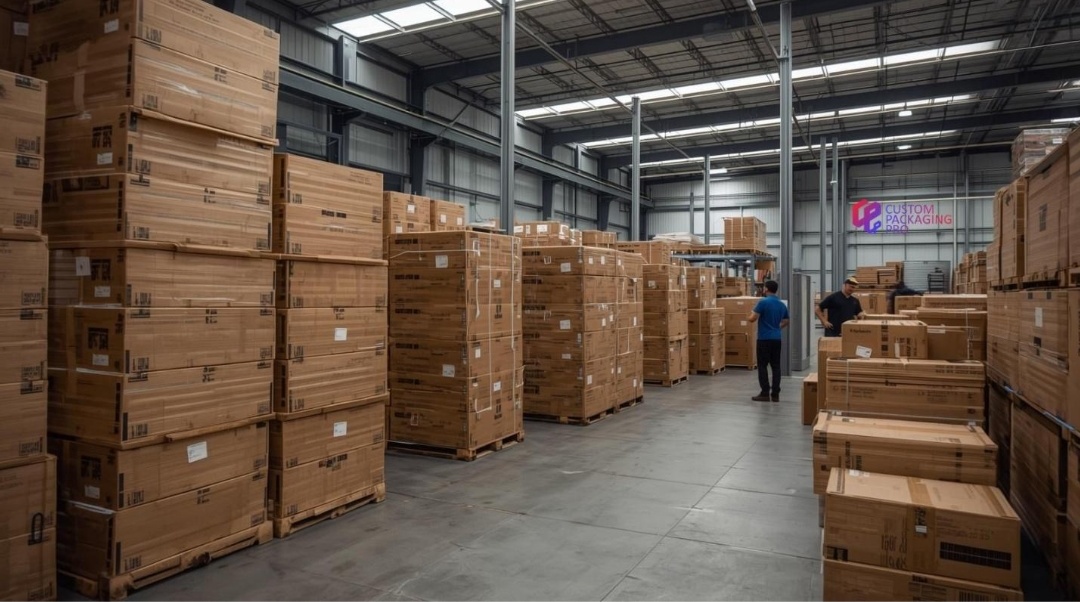
The rapid growth of ecommerce and retail distribution across the United Kingdom has made reliable packaging more important than ever. Every day, thousands of businesses ship products to customers across cities, regions, and international destinations. In this process, packaging plays a crucial role in ensuring products arrive safely and in perfect condition.
One of the most widely used solutions for secure shipping is corrugated shipping boxes. These boxes are designed to provide durability, strength, and protection during transportation. Because products move through multiple stages of handling—warehouses, delivery trucks, sorting centres, and last-mile delivery—strong packaging becomes essential.
Modern businesses depend on high quality corrugated cardboard boxes to protect goods from external pressure, vibration, and potential damage during shipping. From small ecommerce brands to large retailers, companies across the UK rely on corrugated packaging for safe product delivery.
In addition to product protection, packaging also contributes to brand image. Businesses increasingly use custom printed corrugated boxes to deliver products in professional packaging that reflects their brand identity. When customers receive well-packaged products, it strengthens their trust in the brand and enhances the overall customer experience.
As ecommerce continues to expand, corrugated shipping boxes remain one of the most dependable packaging solutions for businesses across multiple industries.
What Are Corrugated Shipping Boxes?
Corrugated shipping boxes are packaging boxes made from multiple layers of cardboard material designed to provide strength and durability. Unlike standard cardboard boxes, corrugated packaging includes a fluted layer placed between two linerboards.
This fluted inner layer acts as cushioning and provides structural strength. It helps absorb shock and protects products from damage during transportation.
Because of this structure, corrugated packaging offers several advantages:
- improved strength and durability
- lightweight packaging design
- shock absorption during shipping
- cost-effective packaging solution
- recyclable and environmentally friendly material
Businesses across various industries use corrugated cardboard boxes for shipping and packaging because they provide reliable protection while remaining affordable.
Corrugated boxes are commonly used for shipping:
- electronics and gadgets
- retail merchandise
- subscription boxes
- fragile items
- food and beverage products
- household goods
Their versatility makes them one of the most commonly used packaging formats in modern logistics.
Why Corrugated Shipping Boxes Are Important for Businesses
Businesses that regularly ship products must ensure their packaging is strong enough to protect items during transportation. Corrugated shipping boxes provide multiple benefits that make them essential for shipping operations.
Strong Product Protection
The layered structure of corrugated cardboard creates cushioning that protects products from pressure, impact, and vibration during shipping.
Lightweight Yet Durable
Corrugated packaging offers strong protection while remaining lightweight. This helps reduce shipping costs while maintaining product safety.
Cost-Effective Packaging
Compared to many other packaging materials, corrugated cardboard is highly affordable. This makes it an ideal packaging solution for businesses that ship products in large quantities.
Flexible Packaging Solution
Corrugated boxes can be customised in various shapes and sizes to accommodate different products.
Eco-Friendly Packaging Option
Corrugated cardboard is recyclable and often produced from recycled materials, making it a sustainable packaging solution.
Types of Corrugated Shipping Boxes
Different products require different packaging strengths. Several types of corrugated boxes are used for shipping and logistics operations.
Single Wall Corrugated Boxes
Single wall boxes consist of one layer of fluting between two linerboards. These boxes are suitable for lightweight products and general shipping needs.
Double Wall Corrugated Boxes
Double wall boxes contain two layers of fluting. This provides extra strength and durability, making them suitable for heavier products.
Heavy Duty Corrugated Boxes
Heavy duty boxes are designed for shipping bulky or fragile products that require maximum protection.
Die Cut Corrugated Boxes
Die cut packaging allows manufacturers to create custom-shaped boxes that fit products precisely. This reduces product movement during shipping.
Flat Pack Shipping Boxes
Flat pack boxes are delivered in folded form, allowing businesses to store large quantities efficiently before assembly.
These packaging options allow businesses to select packaging that matches the weight, size, and fragility of their products.

Materials Used in Corrugated Packaging
The performance of corrugated shipping boxes largely depends on the materials used during production.
Kraft Corrugated Board
Kraft paper is commonly used in corrugated packaging because it provides excellent strength and durability.
Recycled Corrugated Cardboard
Many businesses choose recycled materials to support environmentally responsible packaging.
Double Wall Cardboard
Double wall cardboard provides additional strength for heavier products or long-distance shipping.
Heavy Duty Corrugated Materials
These materials are designed to support large or fragile items that require stronger packaging.
Selecting the right corrugated material ensures products remain protected during the entire shipping process.
Custom Printing and Branding for Corrugated Shipping Boxes
Packaging is not only about protection—it is also a powerful branding tool. Many companies use custom printed corrugated boxes to reinforce their brand identity.
Custom printed shipping boxes allow businesses to include:
- company logos
- brand colours
- shipping instructions
- marketing messages
- product details
Branded corrugated cardboard boxes for shipping and packaging can improve customer perception by presenting products in professional packaging.
Customisation options may include:
- flexographic printing
- digital printing
- branded graphics
- custom packaging layouts
Packaging experts such as Custom Packaging Pro UK help businesses create packaging that combines durability with effective branding.
Industries That Use Corrugated Shipping Boxes
Because of their versatility, corrugated boxes are used across a wide range of industries.
Common industries include:
- ecommerce businesses
- retail product distribution
- electronics manufacturers
- food and beverage companies
- subscription box services
- consumer goods brands
These industries rely on durable packaging to ensure their products reach customers safely.
Corrugated Packaging Trends in the UK Ecommerce Market
The rapid expansion of online shopping has influenced packaging trends across the UK. Businesses are now focusing on packaging that balances protection, sustainability, and branding.
Sustainable Packaging
Many companies are adopting recyclable materials to reduce environmental impact.
Custom Branded Shipping Boxes
Brands are increasingly using custom printed shipping boxes to create stronger brand visibility.
Right-Sized Packaging
Optimised packaging sizes help reduce shipping costs and minimise packaging waste.
Subscription Box Packaging
Subscription box businesses rely heavily on durable corrugated packaging to deliver products safely each month.
These trends demonstrate how packaging continues to evolve alongside ecommerce logistics.
Final Thoughts
As ecommerce and retail distribution continue to expand across the United Kingdom, reliable packaging has become essential for businesses that ship products regularly. Durable corrugated shipping boxes provide the strength and protection required to transport products safely while maintaining professional presentation.
Businesses today are investing in custom packaging solutions and custom boxes wholesale to improve shipping efficiency and brand consistency. Many companies work with packaging specialists such as Custom Packaging Pro UK to create customised packaging boxes UK that offer durability, sustainability, and professional packaging design.
Strong and reliable packaging not only protects products during shipping but also helps businesses build trust with customers and deliver a better overall buying experience.

FAQs
What are corrugated shipping boxes used for?
Corrugated shipping boxes are used to transport products safely during shipping, storage, and logistics operations.
Why are corrugated cardboard boxes ideal for shipping?
They provide excellent protection against impact while remaining lightweight and cost-effective for businesses.
What types of corrugated boxes are available?
Common types include single wall boxes, double wall boxes, heavy duty shipping boxes, and die cut corrugated packaging.
Are corrugated shipping boxes environmentally friendly?
Yes. Most corrugated packaging is recyclable and made from sustainable materials, making it an eco-friendly packaging solution.
Business
How Custom Acrylic Signs Are Transforming Business Branding and Storefront Visibility in the United States
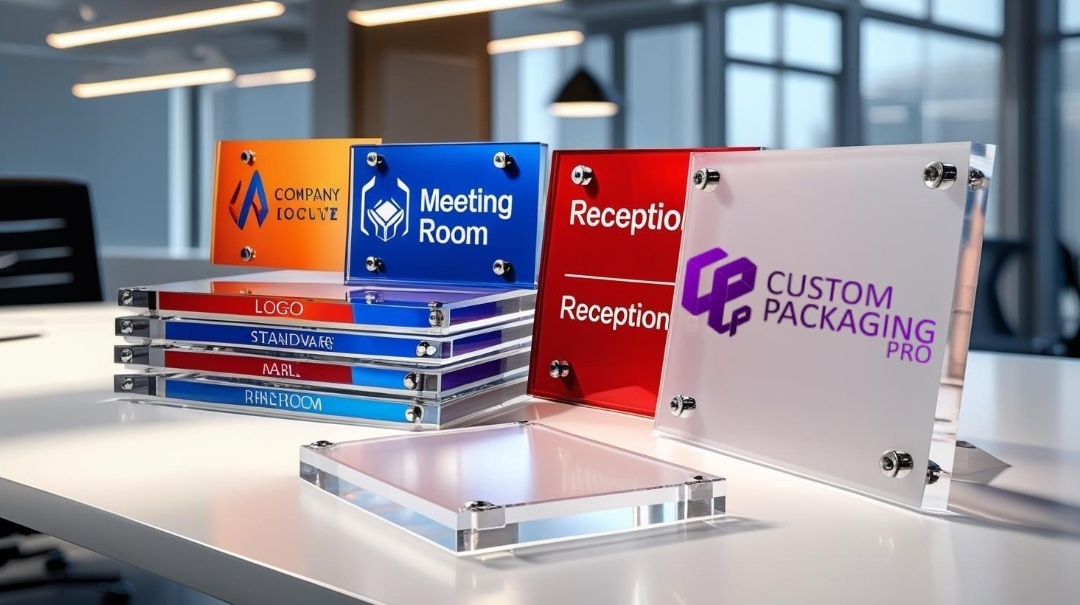
In 2026, businesses across the United States are increasingly investing in custom acrylic signs to enhance brand visibility, create professional storefront displays, and communicate important information to customers. From retail stores and restaurants to corporate offices and real estate agencies, acrylic signage has become one of the most popular signage solutions in modern business environments.
Acrylic signs combine durability, sleek aesthetics, and versatile customization options, making them ideal for both indoor and outdoor applications. As businesses compete to attract attention in busy commercial districts, high-quality signage plays a crucial role in establishing brand identity and guiding customer interaction.
For companies operating in cities such as New York, Los Angeles, Chicago, Houston, and Miami, professional signage can significantly impact customer perception. Custom acrylic signs offer an elegant and modern alternative to traditional signage materials, helping businesses present a polished and professional image.
What Are Acrylic Signs?
Acrylic signs are made from acrylic sheets, a transparent plastic material often referred to as plexiglass or perspex. Acrylic is known for its clarity, durability, and lightweight structure, making it an ideal material for signage applications.
Unlike traditional glass signs, acrylic signs are shatter-resistant and easier to install. They can be customized in various shapes, sizes, colors, and thicknesses to suit different business needs.
Common features of acrylic signage include:
- Crystal-clear surface finish
- Lightweight yet durable construction
- Custom printing and engraving options
- Weather-resistant materials
- Smooth and professional appearance
These features make acrylic signage suitable for many industries across the United States.
Why Businesses in the United States Choose Acrylic Signs
Modern businesses rely on signage not only for identification but also for branding and marketing purposes. Acrylic signs offer several advantages that make them a preferred choice for commercial environments.
Professional Appearance
Acrylic signage provides a sleek, modern look that enhances the professional image of a business. The glossy surface and clean edges create a high-end visual effect.
Durability
Acrylic signs are resistant to weather conditions, UV exposure, and moisture, making them suitable for both indoor and outdoor installations.
Versatile Design Options
Businesses can customize acrylic signs with printed graphics, engraved lettering, raised logos, or vinyl overlays.
Lightweight Material
Compared to glass signage, acrylic is significantly lighter, making installation easier and safer.
These benefits make acrylic signs a practical solution for businesses seeking durable and attractive signage.
Types of Acrylic Signs Used by Businesses
Custom acrylic signs can be designed in various styles depending on the application and branding requirements.
Storefront Acrylic Signs
Retail stores often use acrylic signs for storefront branding. These signs display the business name and logo clearly, helping customers identify the store from a distance.
Office Door Signs
Many corporate offices use acrylic door signs to label meeting rooms, offices, and departments. These signs maintain a professional and organized appearance within office environments.
Wall-Mounted Acrylic Signs
Wall-mounted acrylic signage is commonly used in reception areas to display company logos and branding.
Acrylic Business Signs
Businesses frequently use acrylic panels to create large custom signage that represents their brand identity.
Acrylic House Signs
Residential applications include personalized house number signs made from acrylic material.
Wedding Acrylic Signs
Event planners often use acrylic signage for wedding welcome signs, seating charts, and decorative displays.
Each type of acrylic sign can be customized to match the desired style and purpose.
Acrylic Signs for Indoor and Outdoor Use
One of the key advantages of acrylic signage is its versatility.
Indoor Applications
Acrylic signs are widely used indoors for:
- Reception area branding
- Directional signage
- Office nameplates
- Event signage
- Retail product displays
The polished appearance of acrylic complements modern interior designs.
Outdoor Applications
Outdoor acrylic signs are designed to withstand weather conditions such as sunlight, rain, and temperature changes.
Businesses often install acrylic signage for:
- Storefront branding
- Building identification
- Business park signage
- Outdoor event displays
When combined with protective coatings and durable mounting hardware, acrylic signs maintain their appearance for years.

Customization Options for Acrylic Signs
One of the major advantages of acrylic signage is the ability to customize nearly every aspect of the design.
Businesses can choose from several customization options, including:
- Clear, frosted, or colored acrylic sheets
- Printed graphics and logos
- Laser-engraved text
- Raised lettering or dimensional logos
- LED backlighting for illuminated signs
- Custom shapes and sizes
These customization options allow businesses to create signage that aligns with their brand identity.
High-quality acrylic signage can make a strong visual impression on customers.
Acrylic Signs for Business Branding
Brand visibility is essential for business success.
Custom acrylic signs help companies communicate their brand identity through professional signage.
A well-designed business sign can:
- Increase brand recognition
- Improve storefront visibility
- Create a professional impression
- Guide customers to specific locations
- Support marketing and promotional campaigns
In busy commercial areas, effective signage helps businesses stand out among competitors.
For many companies, signage is the first interaction customers have with the brand.
Installation Methods for Acrylic Signs
Acrylic signage can be installed using several mounting methods depending on the desired appearance.
Common installation techniques include:
Standoff Mounting
Metal standoffs hold the acrylic panel slightly away from the wall, creating a floating effect.
Direct Wall Mounting
Signs are mounted directly onto surfaces using screws or adhesive.
Hanging Displays
Suspended acrylic signs are often used in retail stores and office environments.
Freestanding Signs
Some acrylic signs are designed to stand on counters or desks.
Each installation method contributes to the overall visual impact of the signage.
Acrylic Signs vs Traditional Signage Materials
| Feature | Acrylic Signs | Traditional Signage |
| Appearance | Modern and sleek | Basic |
| Durability | Weather resistant | Varies |
| Weight | Lightweight | Often heavier |
| Customization | Highly customizable | Limited |
| Maintenance | Low maintenance | Moderate |
These advantages explain why acrylic signage is widely used by businesses across the United States.
Acrylic Signs in the Digital Marketing Era
Even in an era dominated by digital marketing, physical signage remains important for businesses.
Acrylic signs often complement digital marketing strategies by providing physical brand visibility in real-world environments.
For example:
- Retail stores use acrylic signage to promote online brands
- Offices display branded signage to reinforce company identity
- Events use acrylic signage to guide attendees
Strong physical branding helps businesses maintain a professional presence both online and offline.
Scaling Acrylic Signage for Growing Businesses
As companies expand operations, they often require multiple signage installations across different locations.
Custom acrylic signage can be produced in bulk while maintaining consistent design and branding.
Signage manufacturers provide services such as:
- Custom sign design
- High-quality printing and engraving
- Bulk production
- Nationwide shipping
Experienced signage providers such as Custom Packaging Pro help businesses across the United States create professional acrylic signage solutions that combine durability, customization, and visual impact.
Final Thoughts
Custom acrylic signs have become a preferred signage solution for modern businesses in the United States.
Their durability, versatility, and sleek appearance make them suitable for a wide range of applications, including storefront signage, office branding, event displays, and residential signage.
As businesses continue to prioritize brand visibility and professional presentation, acrylic signage provides an effective way to communicate identity and attract customer attention.
For companies seeking a modern and durable signage solution, custom acrylic signs offer an ideal balance of functionality and design.

Frequently Asked Questions
1. What are acrylic signs?
Acrylic signs are signage panels made from acrylic sheets, a durable plastic material that resembles glass. They are commonly used for business branding, storefront signage, office displays, and event signage.
2. Why do businesses use custom acrylic signs?
Businesses use custom acrylic signs because they provide a professional appearance, strong durability, and flexible design options that enhance brand visibility.
3. Are acrylic signs suitable for outdoor use?
Yes, acrylic signs are weather-resistant and can be used for outdoor applications such as storefront signage, building identification, and event displays.
4. What are acrylic signs made from?
Acrylic signs are made from acrylic plastic sheets, also known as plexiglass or perspex, which provide a lightweight, durable, and transparent surface suitable for printing and engraving.
The digital world constantly introduces new platforms and concepts that promise to simplify work, enhance creativity, and connect communities. One term gaining attention lately is miuzo, which appears in conversations around productivity, creative collaboration, and online ecosystems. Many people discover it while searching for better ways to manage projects or publish creative work online. The idea behind miuzo centers on bringing multiple digital activities into one environment where users can create, collaborate, and organize their work efficiently. For creators, freelancers, and remote teams, the concept feels appealing because it reflects the growing demand for flexible tools that adapt to modern digital lifestyles.
Understanding the Concept Behind Miuzo
The concept behind miuzo reflects a broader shift in how people interact with digital tools today. Instead of juggling multiple platforms for messaging, content creation, and project management, users increasingly prefer unified systems that combine several functions. The philosophy supporting miuzo revolves around simplicity and integration. It aims to reduce digital clutter while allowing people to manage creative tasks, communication, and collaboration from one environment.
This approach reflects the growing demand for productivity platforms that support both work and creative expression. Many professionals today operate in hybrid roles where they design content, coordinate with teams, and share results with audiences. A system that combines these activities naturally becomes valuable. The concept encourages users to move away from scattered workflows and adopt a more organized digital routine that supports both efficiency and creativity.
Another important element is flexibility. Digital workers rarely follow identical routines, so tools must adapt to different working styles. Some people need strong project organization, while others focus more on creative output or collaboration. The underlying philosophy promotes adaptable systems that accommodate these differences. Instead of forcing users into rigid workflows, the concept encourages personalized environments where individuals structure tasks in ways that match their habits and goals.
Will You Check This Article: Merfez Textiles: Handcrafted Comfort for Every Home
How Miuzo Supports Digital Creativity
Creative professionals often struggle with fragmented tools. Designers may rely on separate platforms for collaboration, file storage, and publishing. Writers switch between document editors, planning tools, and communication apps. The idea behind miuzo attempts to address these challenges by integrating creative workflows into one digital environment that simplifies the process of producing and sharing content.
When creative tools exist in a unified space, the process of turning ideas into finished projects becomes smoother. Inspiration rarely follows a schedule, and switching between multiple apps often disrupts creative momentum. By centralizing essential features, a platform built around this concept helps users focus on their ideas rather than the technical hurdles of managing files or communication channels.
Creativity also thrives in collaborative environments. Artists, writers, and developers frequently rely on feedback from peers or clients to refine their work. Integrated collaboration spaces allow teams to exchange ideas, review drafts, and contribute to projects without moving between different systems. This improves communication while helping creative teams maintain momentum and consistency throughout the development process.
Key Features That Define Miuzo Platforms
Digital ecosystems inspired by miuzo often share several defining features that differentiate them from traditional productivity tools. One of the most important characteristics is integrated project management. Instead of treating projects as simple task lists, these systems organize work around collaborative creative processes. Teams can structure projects, assign responsibilities, and track progress while maintaining access to relevant files and communication channels.
Another defining feature is multimedia compatibility. Creative work rarely exists in a single format. Writers produce text, designers create visual assets, and musicians or video creators work with audio and media files. Platforms reflecting this concept often allow multiple content types within the same workspace. This flexibility makes them attractive to creators who want to manage diverse projects without switching software constantly.
Cloud accessibility also plays a central role. Remote work and global collaboration require systems that allow people to access projects from different devices and locations. When creative assets and project data live in cloud environments, users can collaborate in real time while maintaining secure backups of their work. This ensures projects remain accessible while enabling teams to contribute regardless of geographic distance.
Why Creators and Freelancers Are Exploring Miuzo
Freelancers and independent creators often manage complex digital workflows. They communicate with clients, develop creative assets, organize tasks, and share finished projects through multiple channels. Managing these responsibilities across separate applications can create unnecessary complexity. This explains why many creators show interest in systems that combine productivity, collaboration, and publishing features in one place.
Independent professionals also value ownership and control over their work. Traditional social media platforms often prioritize algorithms and engagement metrics rather than meaningful collaboration. Systems inspired by the miuzo approach attempt to shift that balance by focusing more on project development and creative growth instead of short‑term visibility. This can help creators build more sustainable digital careers.
Another reason for growing curiosity involves community building. Creative professionals rarely work entirely alone. They rely on networks of collaborators, mentors, and audiences who support their projects. Platforms designed around collaborative ecosystems allow users to discover partners with complementary skills. Over time, this encourages deeper professional relationships that extend beyond simple content sharing.
Potential Advantages and Limitations
Like any emerging digital concept, the systems associated with miuzo come with both benefits and challenges. One clear advantage is workflow efficiency. When users manage tasks, files, and communication in one place, they spend less time navigating between applications. This efficiency becomes especially valuable for freelancers and small teams who lack dedicated project management departments.
Another benefit involves improved creative collaboration. Real‑time feedback tools allow teams to review ideas quickly and adjust projects without long communication delays. This can significantly speed up production cycles, especially for creative work that depends on continuous revision. Integrated systems also reduce confusion about file versions, ensuring everyone works with the latest project updates.
Despite these benefits, limitations still exist. Emerging platforms sometimes struggle with reliability, security transparency, or long‑term sustainability. Users should evaluate any new digital environment carefully before relying on it for critical work. Researching reviews, understanding data policies, and testing features gradually can help users determine whether the platform fits their needs without exposing projects to unnecessary risks.
The Role of Technology and AI Integration
Modern digital ecosystems increasingly incorporate artificial intelligence to support productivity and creativity. Systems inspired by miuzo often integrate AI‑assisted features that help users generate ideas, organize information, or improve workflows. These tools do not replace human creativity but instead function as supportive assistants that accelerate routine tasks.
Artificial intelligence can analyze patterns in projects and suggest improvements or optimizations. For example, it may recommend organizational structures for complex projects or help creators refine media content. When used carefully, such tools allow professionals to spend more time on strategic or creative decisions instead of repetitive administrative work.
Technology also enables real‑time collaboration through cloud infrastructure. Advanced synchronization systems allow multiple users to work on projects simultaneously while preserving version control and data security. This capability transforms digital collaboration into a dynamic process where ideas evolve collectively rather than sequentially. As remote work continues expanding globally, these technological capabilities become increasingly valuable.
How the Digital Economy Shapes Platforms Like This
The growth of the creator economy plays a significant role in the emergence of platforms built around integrated digital ecosystems. Industry research suggests the creator economy may exceed hundreds of billions of dollars globally as independent professionals monetize content, courses, design work, and digital media. This rapid expansion increases demand for tools that support sustainable creative careers.
Traditional social platforms often focus on engagement metrics rather than professional development. Creators looking for long‑term growth need systems that help manage projects, track progress, and collaborate with partners. Digital environments aligned with miuzo attempt to address this need by providing structured workspaces rather than simple content feeds.
Economic changes also influence how professionals approach digital tools. Remote work has become common across many industries, increasing reliance on cloud‑based collaboration systems. Teams now expect platforms to support communication, project organization, and content creation simultaneously. As the digital workforce expands, integrated ecosystems are likely to become more common.
Conclusion: The Future Outlook for Miuzo
The growing discussion around miuzo reflects a larger transformation in how people approach digital productivity and creativity. Instead of relying on separate platforms for communication, project management, and content creation, many professionals prefer unified environments that streamline their workflows. This shift mirrors the changing nature of work, where creativity, collaboration, and organization increasingly overlap.
The concept continues evolving as developers experiment with new features and technologies. Artificial intelligence, cloud collaboration, and multimedia integration will likely shape how such platforms develop in the future. Users searching for better ways to manage digital projects may continue exploring systems inspired by miuzo as they seek tools that adapt to modern workflows.
Ultimately, the long‑term success of this idea will depend on trust, usability, and transparency. Platforms must demonstrate reliability while supporting genuine creative collaboration. If those conditions are met, miuzo could represent an important step toward more balanced and integrated digital ecosystems that support both productivity and creative growth.
Read More: Pointmagazine.co.uk
-

 Business2 months ago
Voozon.com Explained: Meaning, Features, and Online Use
-
 Uncategorized3 months ago
Sosoactive: The Complete 2025 Guide to Features, Benefits, and Digital Growth
-
 Celebrity3 months ago
The Unseen Influence of Strategist Claire Froggatt
-
 Celebrity3 months ago
Sergio Novak – Biography of the Man Behind the Spotlight
-
 Celebrity3 months ago
Joan Anderton: The Full Biography of a Tech Visionary
-
 Celebrity3 months ago
Discovering Philip Taptiklis: The Unsung Backbone Behind a Star’s Success
-
 Celebrity3 months ago
Valeria Wasserman: Life, Legacy, and Influence of a Remarkable Woman
-
 Crypto3 months ago
Milohacherry Coin: The Complete Guide to One of the Most Talked-About Crypto Projects Today