
Home
Bungalow Living: Timeless Comfort and Modern Appeal

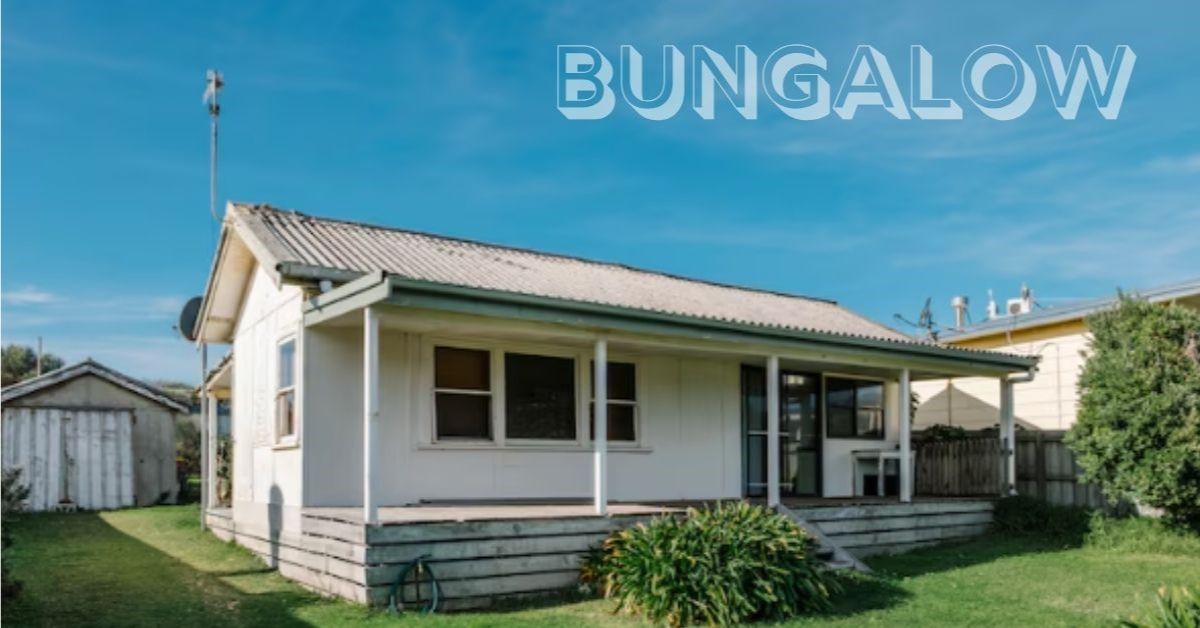
A bungalow has long symbolized simplicity, comfort, and a connection to everyday living that feels both practical and inviting. Whether nestled in a quiet suburb or surrounded by lush countryside, this style of home continues to attract homeowners seeking ease and charm. The appeal of a bungalow lies in its single-story layout, functional design, and warm aesthetic that balances tradition with modern living. From its colonial roots to its global popularity today, this home style remains a favorite for families, retirees, and anyone craving accessible and cozy living. In this article, we explore the enduring charm, design features, and lifestyle benefits that make this home type a timeless choice.
Origins and Historical Evolution of Bungalow Homes
The history of this architectural style dates back to South Asia, where modest dwellings were designed to provide shelter from hot climates while maximizing airflow and comfort. The word itself originates from the Hindi term “bangla,” referring to homes built in the Bengal region. These early structures were typically single-story, with wide verandas and thatched roofs, reflecting both practicality and climate adaptation.
As colonial influence spread, this design traveled to Europe and North America, where it was adapted into more permanent and stylized forms. In the late 19th and early 20th centuries, it became particularly popular in the United States and the United Kingdom. Architects embraced its simplicity, integrating artistic touches from movements like Arts and Crafts, which emphasized handcrafted details and natural materials.
Over time, the design evolved to suit modern lifestyles, incorporating new building materials, improved insulation, and contemporary aesthetics. Despite these changes, the core principles—simplicity, accessibility, and functionality—remained intact. Today, this architectural form continues to represent a blend of historical significance and modern convenience, appealing to homeowners across generations.
Will You Check This Article: Black Pudding Uncovered: History, Taste, and Culinary Value
Architectural Features That Define a Bungalow
What sets this style apart from other home designs is its distinctive architectural identity. Typically characterized by a single-story layout, it often includes a low-pitched roof, wide eaves, and a front porch that creates a welcoming façade. The horizontal orientation of the structure gives it a grounded, balanced appearance that feels both stable and inviting.
Inside, the layout is designed for efficiency and ease of movement. Rooms are usually arranged around a central living area, minimizing wasted space and promoting a natural flow. Large windows are a common feature, allowing ample natural light to flood the interior while also enhancing ventilation. This design not only improves energy efficiency but also creates a bright and airy atmosphere.
Materials play an important role in defining the character of these homes. Wood, brick, and stone are frequently used to create a warm and natural aesthetic. Decorative elements such as exposed beams, built-in cabinetry, and handcrafted details add personality and charm. These features combine to create a home that is both visually appealing and highly functional.
Why Bungalow Living Appeals to Modern Homeowners
In today’s fast-paced world, many homeowners are drawn to simplicity and convenience, making this home style increasingly desirable. One of its biggest advantages is the single-level design, which eliminates the need for stairs and makes it accessible for people of all ages. This feature is particularly appealing to families with young children and older adults who prioritize safety and ease of movement.
Another key factor is the efficient use of space. Unlike multi-story homes that often include underutilized areas, this layout maximizes every square foot. This not only reduces construction and maintenance costs but also encourages a more organized and clutter-free lifestyle. The open and connected living spaces foster a sense of togetherness, making it ideal for social interaction and family bonding.
Additionally, these homes often have a strong connection to outdoor spaces. Porches, patios, and gardens are commonly integrated into the design, creating opportunities for relaxation and recreation. This seamless blend of indoor and outdoor living enhances overall well-being and adds to the home’s appeal in both urban and rural settings.
Interior Design Ideas for a Stylish Bungalow
Designing the interior of this type of home offers endless opportunities for creativity while maintaining a sense of comfort and cohesion. Because of the open layout, it is important to create a harmonious flow between different areas. Neutral color palettes, combined with natural textures, can help achieve a balanced and inviting atmosphere.
Furniture selection plays a crucial role in maximizing space. Opting for multifunctional pieces, such as storage ottomans or foldable tables, can enhance both practicality and style. Built-in shelves and cabinets are also excellent additions, providing storage without compromising on aesthetics. These elements help maintain a clean and uncluttered look.
Lighting is another important aspect of interior design. Large windows should be complemented with soft, ambient lighting to create a warm and welcoming environment. Pendant lights, floor lamps, and wall sconces can be strategically placed to highlight key areas and add visual interest. By combining functionality with thoughtful design, homeowners can create a space that feels both modern and timeless.
Energy Efficiency and Sustainability Benefits
One of the most significant advantages of this home style is its potential for energy efficiency. The single-story layout allows for better temperature regulation, as there are no upper floors to trap heat. This makes it easier to maintain a comfortable indoor environment while reducing energy consumption.
Modern construction techniques and materials have further enhanced these benefits. Insulated walls, energy-efficient windows, and sustainable roofing options contribute to lower utility costs and a reduced environmental footprint. Solar panels and rainwater harvesting systems can also be integrated into the design, making the home even more eco-friendly.
Landscaping plays a role in sustainability as well. Strategically placed trees and plants can provide natural shade, reducing the need for air conditioning during hot months. Similarly, proper orientation of the building can maximize natural light and ventilation. These features not only improve energy efficiency but also create a healthier and more comfortable living environment.
Customization Options to Suit Every Lifestyle
One of the reasons this housing style remains popular is its versatility. Homeowners have the freedom to customize the design to suit their specific needs and preferences. Whether it’s adding an extra bedroom, creating a home office, or expanding the living area, the layout can be easily adapted.
Open floor plans are a common choice, allowing for greater flexibility in how spaces are used. Sliding doors and movable partitions can be incorporated to create temporary divisions without sacrificing openness. This adaptability makes it easier to accommodate changing lifestyles and family dynamics over time.
Exterior customization is equally important. From traditional designs with rustic charm to sleek, modern interpretations, the possibilities are endless. Choosing the right materials, colors, and landscaping elements can significantly enhance curb appeal. By tailoring both the interior and exterior, homeowners can create a space that reflects their personality and meets their unique requirements.
Investment Value and Market Demand of Bungalow
Real estate trends consistently show strong demand for single-story homes, particularly among buyers seeking convenience and long-term usability. This demand contributes to stable property values, making such homes a reliable investment. Their accessibility and practicality ensure they remain attractive to a wide range of buyers.
Another factor that adds to their value is the cost-effectiveness of maintenance. With fewer structural complexities compared to multi-story homes, repairs and renovations are generally simpler and less expensive. This makes them an appealing option for both first-time buyers and seasoned investors.
Location also plays a crucial role in determining market value. Properties in desirable neighborhoods with good infrastructure and amenities tend to appreciate over time. Combined with their timeless appeal, these homes offer a balance of comfort and financial security that is hard to match in the housing market.
Conclusion
The enduring appeal of a bungalow lies in its ability to combine simplicity, functionality, and aesthetic charm in a way that few other home styles can achieve. From its rich historical roots to its modern adaptations, it continues to offer a practical and comfortable living solution for people of all ages. Its single-level design, efficient use of space, and strong connection to outdoor living make it a versatile choice for a wide range of lifestyles.
As homeowners increasingly prioritize convenience, sustainability, and personalization, this style remains as relevant as ever. Whether you are looking for a cozy retreat or a long-term investment, it provides a unique blend of tradition and innovation. Ultimately, choosing this type of home is not just about architecture—it is about embracing a lifestyle that values comfort, accessibility, and timeless design.
Read More: Parkmagazineny.co.uk
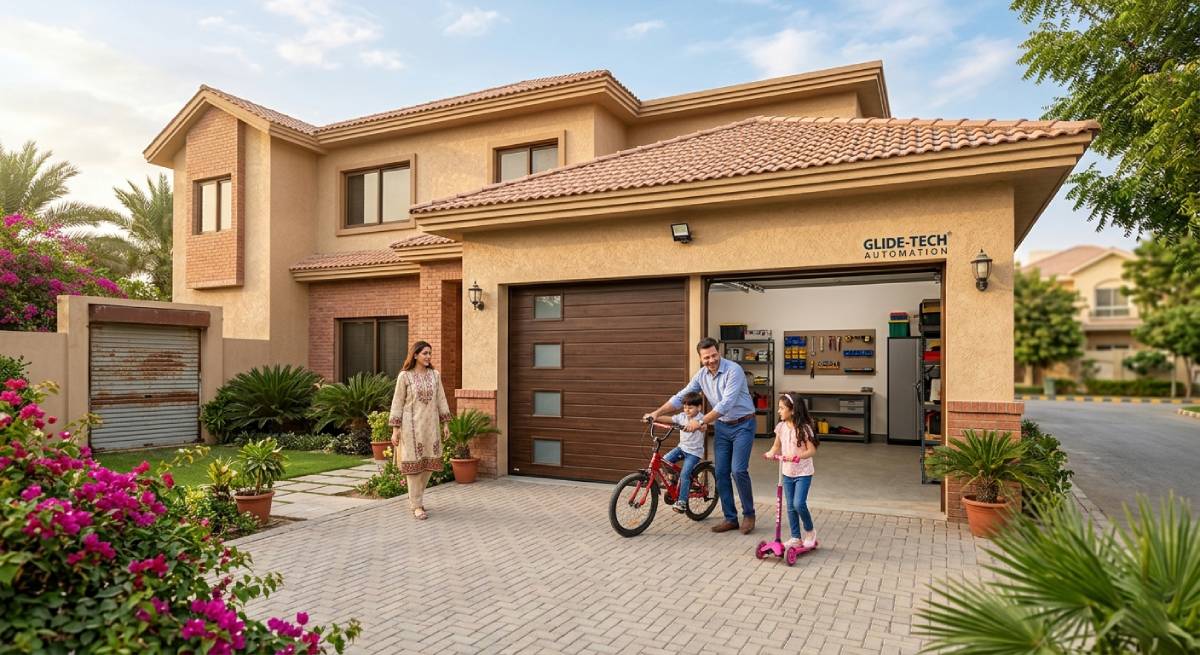
A garage door is one of those features homeowners use every day without giving it much thought, until it starts sticking, rattling, looking worn out, or simply no longer fitting the style of the property. In many homes, the garage door takes up a huge portion of the front exterior, so replacing it can instantly refresh curb appeal and improve everyday convenience. Somewhere within that conversation, according to Radford Garage Doors & Gates of Orange County, many homeowners also start noticing how much a well-installed door can improve safety, insulation, and overall peace of mind.
Why Garage Door Installation Matters More Than People Think
Choosing a new garage door is not just about swapping one panel for another. It is about making a practical upgrade that affects appearance, performance, and long-term reliability.
A lot of people focus first on color or style, which makes sense because the visual impact is immediate. Still, installation quality is what determines whether the door opens smoothly, seals properly, and holds up over time. Even a beautiful new door can become a daily annoyance if it is not installed with care. A properly fitted system should move evenly, respond consistently, and feel solid every time it opens or closes.
It Improves Daily Function
Most families use the garage as one of the main entry points to the home. That means the door is not just decorative. It is part of the daily routine. A new installation can make mornings easier, reduce noise, and remove the frustration of dealing with an outdated or unreliable system.
It Boosts Curb Appeal Instantly
There are very few exterior upgrades that can transform a home as quickly as a new garage door. It can make the property feel more modern, more polished, or more warm and welcoming depending on the design choice. Clean lines, updated hardware, windows, and better materials can all change the visual balance of the house.
It Supports Better Security
An older garage door can have weak points that homeowners do not always notice right away. Worn components, outdated locking features, or poor sealing can all create problems. A new installation gives homeowners the chance to upgrade both the door itself and the system behind it.
The Best Garage Door Is the One That Fits Your Home and Lifestyle
There is no single perfect garage door for every homeowner. The right choice depends on how the space is used, what the exterior looks like, and what kind of performance matters most.
Some people want something sleek and modern. Others want a more classic carriage-style look. Some care most about insulation because the garage shares a wall with the house. Others need a durable option that can handle heavy daily use. The good news is that there are plenty of directions to go once those priorities become clear.
Material Makes a Real Difference
Steel remains a popular choice because it offers strength, low maintenance, and versatility in design. Wood has a timeless look and natural warmth, though it often requires more upkeep. Aluminum and glass can create a striking contemporary appearance, especially for more modern homes. Composite options can also provide a nice middle ground for those who want style and durability together.
Insulation Is Worth Considering
Not every garage needs heavy insulation, but many homeowners benefit from it more than they expect. Insulated doors can help with temperature control, reduce outside noise, and make the garage feel more comfortable if it is used for storage, hobbies, workouts, or laundry. It can also support energy efficiency in homes where the garage is attached.
Style Should Complement the House
A garage door should not feel like an afterthought. It should look like it belongs. Window placement, panel design, hardware details, and color all play a role in making the final result feel intentional. The best installations usually look effortless, as though the home was always meant to have that door.
What Homeowners Should Expect During Installation
A quality installation process should feel organized, straightforward, and professional from start to finish. It should not leave the homeowner guessing what comes next.
The process usually starts with evaluating the opening, checking the framing, confirming measurements, and helping narrow down door options. After that comes removal of the old system if one is already in place, followed by installation of tracks, springs, panels, hardware, and opener components where needed. Once the door is in place, testing and adjustment are essential. That final step is what separates a rushed job from one that feels truly complete.
Precision Matters at Every Step
Garage doors are heavy systems with multiple moving parts working together. If just one part is slightly off, the whole system can suffer. That is why alignment, balance, spring tension, and track placement all matter so much. A well-installed door should not jerk, drag, or sound strained.
Safety Checks Should Never Be Skipped
Modern garage door systems should include safety features that help protect people, pets, and vehicles. During installation, everything should be tested carefully, especially auto-reverse functions, sensor alignment, and opener response. Homeowners should feel confident using the system from day one.
Clean Finish Work Counts Too
The little details matter. Tight seals, neat hardware placement, smooth trim transitions, and a clean final look all contribute to a better result. People remember when a job looks polished. They also remember when it does not.
Signs It May Be Time for a New Door Instead of Another Repair
Repairs can absolutely make sense in many situations. But sometimes replacing the door is the smarter move.
If the door has repeated issues, visible wear, sagging sections, loud operation, poor energy performance, or outdated design, a full replacement may offer more value than continuing to patch the same problems. A new installation can solve several concerns at once instead of treating each one separately.
Frequent Breakdowns Add Up
One repair might be manageable. Several repairs in a short stretch often signal that the system is aging out. In those cases, replacement can be more cost-effective over time.
Appearance Starts to Affect the Whole Home
A faded, dented, or dated garage door can pull down the look of the entire property. When homeowners invest in landscaping, paint, lighting, or other upgrades, the garage door can suddenly stand out for the wrong reasons.
Older Systems May Lack Modern Convenience
Today’s garage door systems can offer quieter operation, smoother performance, stronger materials, and smart opener compatibility. For many homeowners, that convenience alone makes installation worth considering.
Smart Marketing Helps Garage Door Businesses Stand Out
For garage door businesses, great service is essential, but strong marketing is what helps homeowners discover that service in the first place. A company can do excellent installation work, offer responsive support, and provide fair pricing, yet still struggle to grow if its online presence is weak or outdated. That is why many businesses invest in clearer messaging, better local visibility, helpful website content, and lead generation support through platforms like http://www.garagify.net/ to connect with more homeowners who are actively searching for installation and repair services.
A New Garage Door Is an Upgrade You Feel Every Day
A garage door installation is not just about replacing an old feature with a new one. It is about improving the experience of coming home, protecting what matters, and giving the exterior of the house a stronger, cleaner, more finished look.
When Homeowners choose the right style, the right materials, and a properly handled installation, the results tend to speak for themselves. The door looks better, works better, and feels like a real upgrade rather than just another home expense. That is why so many people end up saying the same thing after the job is done: they wish they had done it sooner.
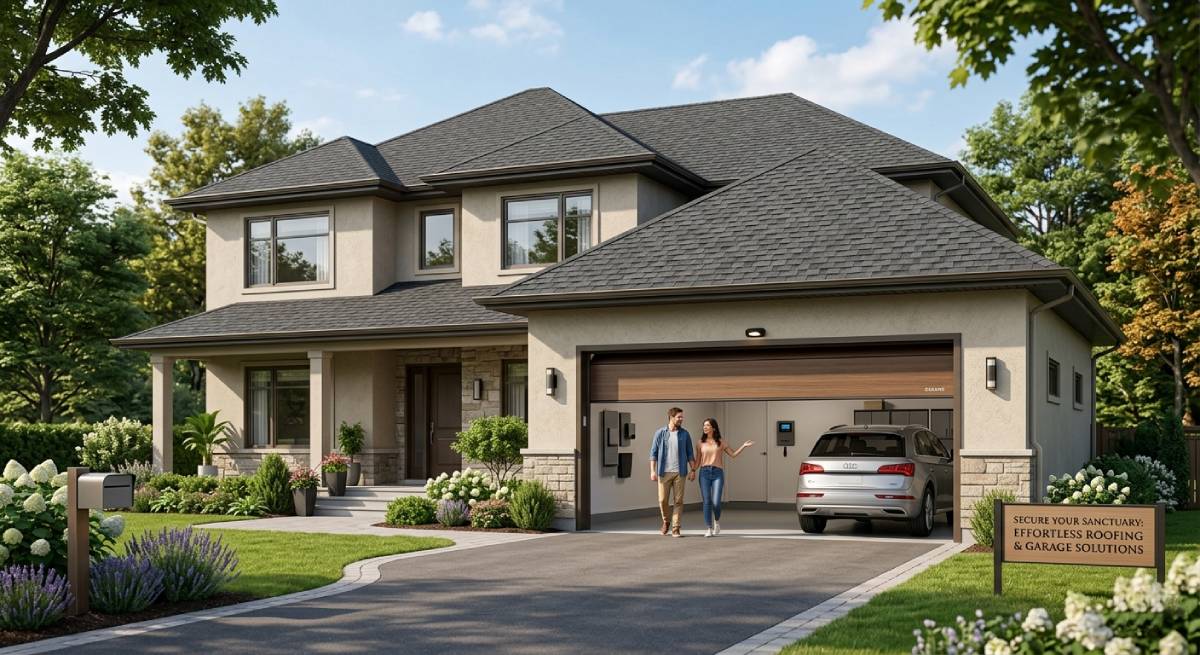
Your home is more than just a structure; it is the physical boundary between your private life and the unpredictable world outside. While we often focus on interior aesthetics, the true integrity of a household starts with its exterior defenses. Keeping your property safe doesn’t have to be an overwhelming chore if you break it down into the two most critical overhead components: the roof and the garage door. By implementing a few simple maintenance strategies and knowing when to call in the professionals, you can ensure your sanctuary remains dry, secure, and structurally sound for decades to come.
The Ultimate Shield: Prioritizing Your Roof
A high-quality roof is your home’s primary defense against the elements, acting as an umbrella that diverts water away from your foundation. Because it is constantly exposed to UV rays, heavy winds, and rain, it requires a proactive approach to stay in peak condition.
Early Detection Saves Thousands
The secret to a long-lasting roof isn’t magic; it is simply the habit of looking up. Homeowners should perform a visual inspection at least twice a year – ideally in the spring and autumn – to spot missing shingles, cracked tiles, or areas where granules have worn away. The intense sun can be just as damaging as a storm, which is why experts like 619 Roofing in San Diego, CA emphasize the importance of checking for heat-related brittleness. Catching a small leak or a slipped tile early can prevent the nightmare of mold growth and wood rot inside your attic, saving you from a full-scale replacement before it’s necessary.
Clean Gutters Lead to a Dry Interior
Clogged gutters are one of the most common causes of avoidable roof damage. When debris like leaves and twigs builds up, water cannot flow freely to the downspouts, causing it to back up under your shingles or spill over the sides toward your home’s foundation. This standing water can cause the fascia boards to rot and create an inviting environment for pests. Aim to clean your gutters at least twice a year, or more frequently if your property is surrounded by overhanging trees, to ensure that every rainstorm is managed effectively by your drainage system.
Strengthening The Gateway: Garage Door Security
Often the largest moving part of a home, the garage door is a frequent target for intruders and a common source of mechanical injury if neglected. Ensuring this massive gateway functions smoothly is a mix of hardware maintenance and modern technology. For those looking for comprehensive service and high-quality installations, Mammoth Door, serving Waterford Township, MI can provide the expert guidance needed to keep your system operational and safe. Beyond professional check-ups, you should regularly lubricate the rollers and tracks with a silicone-based spray to reduce friction and noise. Testing the auto-reverse sensors is another vital monthly task; simply place a solid object in the door’s path to ensure it detects the obstruction and reverses immediately, protecting your pets, vehicles, and family members from accidents.
Smart Upgrades for Modern Protection
In the modern era, home protection has evolved beyond simple locks and sturdy materials. Integrating smart technology into your exterior maintenance plan adds a layer of “invisible” security that provides peace of mind when you are away.
The Power of Real-Time Monitoring
Smart garage door openers have revolutionized how we view home access. Gone are the days of driving halfway to work and wondering, “Did I close the garage?” With a smartphone app, you can monitor the status of your door from anywhere in the world and receive alerts the moment it is opened. Some systems even allow you to set “schedules” that automatically close the door at a certain time every night, ensuring you never accidentally leave your home vulnerable while you sleep.
Energy Efficiency as a Form of Protection
Protection isn’t just about keeping people out; it’s about keeping the environment stable. An insulated garage door and a properly ventilated roof work together to regulate your home’s temperature. High-quality insulation prevents your garage from becoming a furnace in the summer or an icebox in the winter, which in turn reduces the strain on your HVAC system. Similarly, adequate roof ventilation allows hot air to escape the attic, preventing “bake-off” conditions that can warp your shingles from the inside out. Investing in these upgrades protects your wallet by lowering monthly utility bills.
Knowing When to Call the Professionals
While many maintenance tasks are DIY-friendly, certain repairs involve high-tension springs or steep heights that are best left to those with the right tools and training. Trying to fix a snapped torsion spring yourself is notoriously dangerous, as these components hold enough energy to cause serious injury.
Annual Inspections for Longevity
A professional inspection once a year is like a wellness check for your House. A certified contractor can spot subtle signs of wear that an untrained eye might miss, such as failing flashing around chimneys or internal cable fraying in a garage door motor. These experts can also provide you with a documented history of maintenance, which is incredibly valuable if you ever decide to sell your home or need to file an insurance claim after a major weather event.
Creating a Long-Term Maintenance Calendar
To make home protection truly simple, create a digital or physical calendar with reminders for your quarterly and annual tasks.
- January: Check garage door weatherstripping for cracks.
- April: Clean gutters and inspect roof for winter storm damage.
- July: Lubricate garage door hinges, rollers, and springs.
- October: Clear roof debris and schedule a professional inspection.
By following a structured plan, you transform “home maintenance” from a looming weekend project into a series of quick, manageable check-ins that keep your property in top-tier shape.
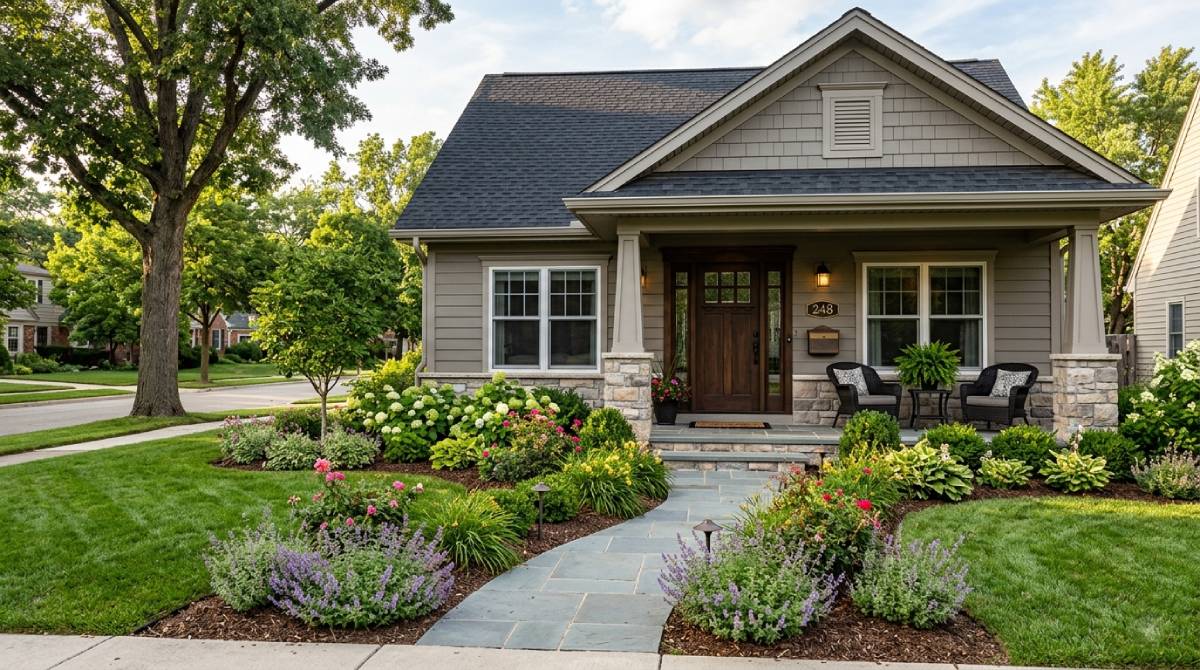
When we think about home maintenance, we often categorize tasks into “indoor comfort” and “outdoor aesthetics.” However, a home is a singular ecosystem where the exterior serves as the primary defense mechanism against the elements. A resilient home isn’t just about a sturdy frame; it’s about the synergy between the ground it sits upon and the canopy that shields it. Focusing on lawn health and roof durability isn’t just a matter of vanity – it is a strategic investment in the longevity and value of your property.
By treating your landscape and your roof as interconnected components of home health, you can prevent costly repairs and create a sanctuary that stands the test of time.
The Foundation of Green: Cultivating a Resilient Lawn
If you’re looking for new grass without a full re-sodding, improving the health of your existing lawn is often the most effective starting point. A lush, healthy lawn does more than just make the neighbors jealous; it acts as a natural filtration system and a cooling agent for your immediate microclimate. Healthy turf prevents soil erosion around your foundation, which is crucial for maintaining the structural integrity of your home over decades of rain and snow.
Breathing Room: The Magic of Aeration
Compacted soil is the silent killer of many suburban yards, as it prevents oxygen, water, and nutrients from reaching the root zone. Core aeration involves removing small plugs of soil to allow the earth to “breathe,” encouraging roots to grow deeper and more robust. When the soil is loose, the grass becomes more drought-resistant and less susceptible to pests.
Density Matters: Overseeding for Longevity
If your lawn is looking a bit thin or patchy, you don’t necessarily need to start from scratch with expensive pallets of grass. By integrating aeration with a heavy application of high-quality seed, you can successfully introduce new grass without a full re-sodding, effectively thickening the turf and crowding out opportunistic weeds. This process not only saves money but ensures that the grass varieties in your yard are modernized for better disease resistance.
The Ultimate Canopy: Ensuring a Weatherproof Roof
Your roof is the most hard-working part of your home’s exterior, taking the brunt of UV radiation, heavy winds, and relentless precipitation. While it is easy to ignore what is happening above eye level, a proactive approach to roofing can be the difference between a dry living room and a catastrophic mold issue.
Identifying the Warning Signs
Homeowners should conduct a visual inspection at least twice a year, specifically after major storm seasons, to look for curled shingles or missing granules. These minor imperfections are often the precursors to significant leaks that can damage rafters and insulation. If you notice persistent leaks or structural sagging, it may be time to consult professionals who provide roof installation services to discuss whether a localized repair or a full replacement is the safest path forward.
Material Science: Choosing the Right Shield
The longevity of your roof depends heavily on the materials you choose and the climate you live in. While asphalt shingles are the standard for their cost-effectiveness, metal roofing and slate are gaining popularity for their incredible lifespans, often lasting fifty years or more. Investing in high-quality underlayment and proper flashing is just as important as the shingles themselves, as these hidden layers provide the actual waterproofing.
Water Management: Where the Roof Meets the Roots
One of the most overlooked aspects of home maintenance is the transition point where water leaves your roof and hits your landscape. If your roofing system and your lawn care aren’t “communicating,” you risk creating a swampy mess that can drown your grass and crack your foundation.
Gutter Integrity and Downspout Placement
Gutters act as the circulatory system of your home’s exterior, directing thousands of gallons of water away from vulnerable areas. Ensure your gutters are clear of debris so that water doesn’t overflow and erode the soil directly beneath the eaves. Downspout extensions are a simple but effective tool to ensure that roof runoff is deposited at least five to ten feet away from the house, protecting both the foundation and the delicate root systems of your ornamental plants.
Grading and Drainage Solutions
The slope of your yard, or the “grade,” should always move water away from the structure to prevent basement flooding and turf rot. If you find standing water in your lawn after a rainstorm, consider installing a French drain or a rain garden. These solutions use the natural properties of the soil and specific plant species to manage excess moisture, turning a potential drainage problem into a beautiful landscape feature.
Seasonal Synergy: A Calendar for Exterior Care
Maintaining a Home exterior is not a one-time event but a rhythmic cycle that changes with the seasons. By aligning your roofing checks with your lawn maintenance schedule, you ensure that no part of the “envelope” is neglected during the transition into harsher weather.
- Spring: Focus on cleaning gutters and applying pre-emergent weed control to the lawn as the ground thaws.
- Summer: Monitor the roof for heat damage and ensure the lawn receives deep, infrequent watering to encourage deep root growth.
- Fall: This is the prime time for aeration and seeding, as well as a final roof inspection to ensure the home is sealed for the winter.
- Winter: Keep an eye out for ice dams on the roof, which can cause water to back up under shingles and leak into the attic.
A strong home exterior is built on the balance of hard and soft surfaces, from the peak of the roof to the tips of the grass blades. By investing in the health of your soil through aeration and overseeding, and ensuring your roof is serviced by experts, you create a multi-layered defense system that enhances both beauty and safety.
-

 Business3 months ago
Voozon.com Explained: Meaning, Features, and Online Use
-
 Uncategorized3 months ago
Sosoactive: The Complete 2025 Guide to Features, Benefits, and Digital Growth
-
 Celebrity3 months ago
Sergio Novak – Biography of the Man Behind the Spotlight
-
 Celebrity3 months ago
Discovering Philip Taptiklis: The Unsung Backbone Behind a Star’s Success
-
 Celebrity3 months ago
The Unseen Influence of Strategist Claire Froggatt
-
 Celebrity3 months ago
Joan Anderton: The Full Biography of a Tech Visionary
-
 Crypto3 months ago
Milohacherry Coin: The Complete Guide to One of the Most Talked-About Crypto Projects Today
-

 Technology2 months ago
Quotela Net Guide for Smarter Online Quotes