
Business
5 Functional Analysis Screening Tools Every ABA Therapist Should Know in 2026

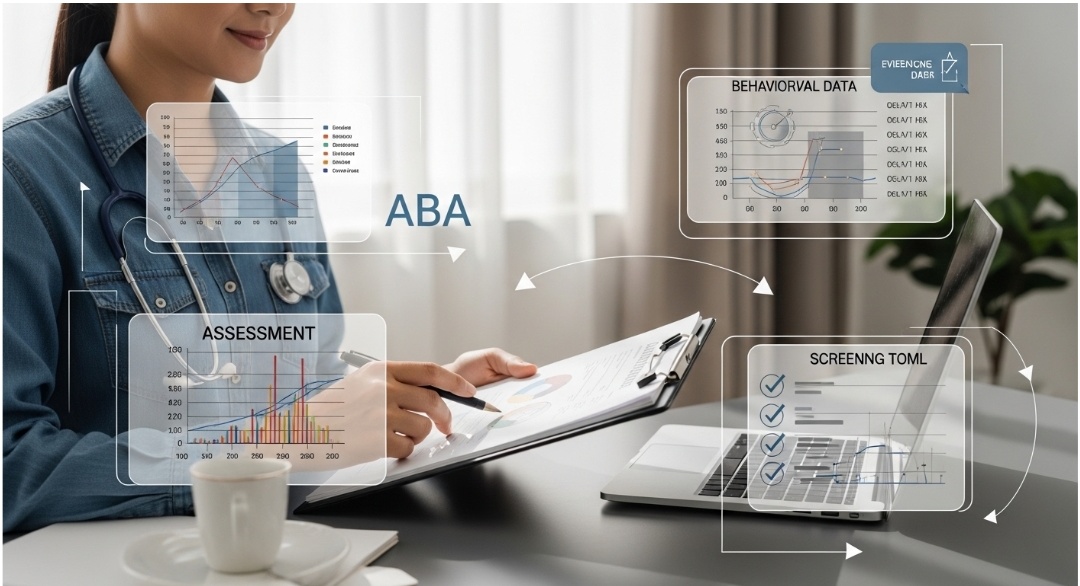
In 2026, Applied Behaviour Analysis (ABA) therapy reached a transformational crossroads. New functional analysis screening tools and approaches are reshaping how assessments and treatments are conducted, improving outcomes for clients.
The data shown by CDC indicates that Autism spectrum disorder (ASD) now affects 1 in 36 children. The need for an accurate, efficient and user-friendly functional analysis screening tool with the growing emphasis on ethical, person-centred care is mandatory.
The article investigates the 5 most effective functional analysis screening tools that will shape the ABA practice in 2026. We discuss how they use technology to improve precision, utility, and clinical decision-making, and ultimately to develop more productive, personalised, and kind behaviour intervention plans.
Key Points Highlighted
- ABA experimentally identifies the role of behaviour, which is beyond correlation to causation, as Functional Analysis (FA).
- Hypothesis Generation tools are predictive of probable behavioural functions. AI-powered tools analyse large datasets of antecedent-behaviour-consequence (ABC) data to streamline the initial assessment phase for clinicians.
- Platforms have developed to be interactive applications that enhance reliability and offer us a system of pathways for direct observation and analysis.
- FA Suites provide comprehensive remote functional analysis, removing geographical barriers and ensuring uninterrupted service delivery.
- Capture through wearable sensors and smart environment technology. Objective and continuous baseline information would be collected, eliminating observer drift and burdening clinicians.
- Collaborative and Caregiver-Centric Portals enable families to be active participants in the assessment process enhancing ecological validity and treatment buy-in.
- Predictive Intervention Recommenders are based on the FA outcomes and client profiles to prescribe evidence-based intervention strategies and personalise the transition between assessment and treatment.
What Is Functional Analysis Screening in ABA Therapy?
The functional analysis screening tool and procedures systematically collect initial data and direct clinicians to a structured experimental functional analysis (FA). These screening tools are used to create hypotheses effectively and in an acceptable manner unlike a full FA which directly tests hypotheses by controlling environmental variables.
Screening is a multi-modal process in 2026. It starts with online indirect measures (e.g., standardised questionnaires such as the QABF, however, using adaptable applications) and automated direct observation systems (e.g., video-based AI coding). The screening prioritises which conditions to consider first and the necessity of a more comprehensive, standard FA.
5 Best Functional Analysis Screening Tools for ABA Therapy in 2026
The functional analysis screening tool is the future of the FA screening technology. These tools are selected based on their innovation, clinical utility, evidence base, and ability to meet the needs of modern ABA practice.
1. FuncScreenAI
FuncScreenAI is a web-based system which interprets descriptive assessment data and provides the most likely behavioural function.
Clinicians upload ABC data, video samples (with privacy safeguards), or completed digital checklists. The AI then cross-references this input with a large anonymised dataset of thousands of previous FA results.
Instead of substituting clinical judgment, it gives a statistically weighted score of confidence of each of the four major functions, indicating the most salient antecedents and consequences of the data at hand. Students working with advanced ABA assessment tools or preparing a thesis on functional analysis can avail themselves of a trusted dissertation writing service like The Academic Papers UK to organise their findings and structure their reports clearly and efficiently.
Key Benefits for 2026 Practice
- Minimises Cognitive Bias: Overcomes the confirmation bias with a second opinion that is factual.
- Processes Complex Information: Skilled at discerning trends of multi-function or idiosyncratic actions that otherwise would be detected by hand.
- ERM integration: It populates assessment sections in electronic medical records, including Catalyst and CentralReach.
- Telehealth Ready: Its central analysis is asynchronous, and thus is ideal in hybrid or remote service models.
Clinical Application Example
Self-injurious behaviour (SIB) is a problem facing a team developed in a variety of settings. According to NIH, when 2 weeks of mixed data of home and school ABC data is entered into FuncScreenAI, there is a 85% confidence of Automatic Positive Reinforcement (sensory) and 70% confidence of Social Negative Reinforcement (escape).
This functional analysis screening tool guides the BCBA to give importance to an FA first. It then carefully contrasts an alone condition with an escape demand condition. This makes the in-person assessment more focused and secure.
2. VBAI (Virtual Behaviour Analytics Interface)
VBAI offers clinicians and clients a complete virtual space simulation like a therapy room, classrooms, and a living room to interact safely. Such controlled settings reproduce real-life conditions, which enable the accurate practice and the collection of data.
How It Works
Clinicians and clients get into a virtual environment through a VR headset. By scripting avatars to perform specific functions, the platform enables real-time training and analysis of system conditions A gamified pre-FA module can be used to allow the clients to learn more about room setups and contingencies in a low-stress setting.
Safe Skill Acquisition for Clinicians
BCBAs and RBTs are free to practice carrying out FAs without ethical issues and harm. VBAI helps clinicians master proper techniques and build confidence in a controlled, reproducible environment before applying them in real sessions.
Client Desensitisation and Engagement
VBAI reduces anxiety and novelty by exposing clients to virtual simulations of FA environments. This pre-exposure results in a more precise determination of behaviour and easier involvement in the conduct of real functional analyses.
Standardisation and Research Opportunities
VBAI ensures that the integrity of procedures between teams is always consistent, thus training is also uniform and reliable. It also offers a limited environment to test new FA protocols and research methods, which improve evidence-based practice in Applied Behaviour Analysis therapy.
3. Catalyst FA Module
As a prominent ABA practice management platform, Facilitator has strongly incorporated an ecosystem of an all-inclusive FA Module. This functional analysis screening tool goes beyond mere data collection to the point of consulting the whole process of FA, since it helps in screening to report.
How It Works
The Catalyst FA Module streamlines the functional analysis process with a structured, step-by-step workflow. Each element supports data collection, improves accuracy, and promotes evidence-based decision-making in ABA therapy.
- Digital Indirect Assessments: The module runs functional analysis screening tools within the app and automatically scores responses for accuracy and efficiency. This simplifies the initial screening operation process and eliminates human mistakes.
- Guided Descriptive Analysis: It is an intelligent ABC data collector that encourages clinicians to document the relevant antecedents and consequences following initial behaviour hypotheses. This ensures organised observations and maintains consistency and alignment with evidence-based practice.
- FA Session Builder: Clinicians will be able to build and plan FA sessions on conditions including Attention, Escape, Alone, Play and Tangible. The builder comprises the stimuli and protocols of measurement to ensure procedural fidelity and specific evaluation.
- Automated Data Visualisation & Analysis: Live graphs monitor behaviours using automated interpretation of results after the assessment. Consequently, it enables rapid, data-based decision-making while enhancing the precision of functional analysis reporting.
Key Benefits for 2026 Practice
The Catalyst FA Module provides a solution for an all-in-one workflow. It incorporates the functional analysis into a clinical management platform. The clinicians do not have to alternate among different applications, and this saves time and also minimises the occurrence of errors.
Supervising BCBAs can monitor RBTs collecting FA data in real-time and adjust protocols as needed, ensuring accurate and consistent assessments.
The module also features automated reporting, generating polished, data-rich FA reports with a single click for insurer submission or professional review. Also, population analytics can enable an organisation to compile anonymised FA data from clients to identify behavioural trends, assess program effectiveness, and guide staff training and professional development.
4. BehaviorPulse Tele-FA Kit
The BehaviorPulse Tele-FA Kit is a multifaceted solution that aims to perform a valid and reliable functional analysis tool using telehealth. The kit combines technology, training, and clinician supervision to implement FA practices in homes. The Caregiver Portal App guides caregivers about the environment, implements FA conditions and collects accurate data.
Wearable sensors track movement and position and measure the frequency and duration of behaviours. The multi-angle camera setups make the video observations of the patient transparent and complete, and the clinician’s dashboard unites the video observations, sensor information, and a system of clicking to gather the data simultaneously.
This new toolkit is not only able to conduct remote functional analyses but also increase the objectivity of the data through the addition of sensor metrics to the reports provided by caregivers. It empowers caregivers by training them as paraprofessionals. This improves their understanding of behavioural principles and enhances home therapy. BehaviorPulse is an example of how technology can help scale ABA assessments and improve their reliability in 2026.
| Feature | Benefit |
| Caregiver Portal App | Ensures caregiver competence and fidelity in remote assessments |
| Wearable Sensors | Provides objective, unbiased behaviour data |
| Multi-Angle Camera Setup | Improves video quality for accurate behavioural coding |
| Clinician Dashboard | Allows real-time monitoring and streamlined data collection |
5. The Functional Assessment System (FAS) by QBS
The FAS is a risk-averse, comprehensive system that combines a strong risk reduction strategy with modern screening equipment. It is geared towards institutions that deal with those who have severe and difficult behaviours.
How It Works: Before any direct manipulation, the system requires a “Safety & Sensitivity Screening.” This involves:
- Medical & Psychosocial Review Interface: Indicates possible biological or mental health determinants that can soundly imitate behavioural functions, whereby clinicians take into account the underlying factors other than the environmental stimuli.
- The Preference and Aversive Assessment: Suite digitally identifies motivating reinforcers and aversive stimuli, enabling personalised, client-friendly interventions.
- Wildfires and Crisis Prevention: This functional analysis screening tool creates links between FA protocols and an organisation’s own customised crisis intervention plans to facilitate immediate safety and a smooth shift in response between an assessment and a crisis management approach.
Comparative Overview of Functional Analysis Screening Tools
To help clinicians quickly understand the functional analysis screening tools available in 2026, the table below compares each tool, noting whether it is digital or manual, its key strengths, and its practical applications. Just as top-rated dissertation writing services guide students through complex research, this overview helps ABA professionals make informed decisions based on client needs and the complexity of the assessment to ensure interventions are appropriate and effective.
This table helps ABA professionals make effective decisions based on client needs, the setting, and the complexity of the assessment. It ensures that interventions are appropriate and well-informed.
| Functional Analysis Screening Tool | Digital/Manual | Strength | Best Use Case |
| FuncScreenAI | Manual/Digital | Quick scoring, high reliability | School or home screening |
| VBAI | Manual/Digital | Structured, easy for caregivers | Children with limited communication |
| Catalyst FA | Manual/Digital | Versatile across ages | Early intervention programs |
| BehaviorPulse Tele-FA Kit | Digital | Real-time tracking, collaborative | Multi-setting behaviours |
| FAS | Manual | Observation of subtle cues | Classroom or therapy room |
Conclusion
The functional analysis screening toolkit designed for ABA professionals in 2026 is effective, versatile, and ethically sound. Predictive analytics offered by FuncScreenAI is giving way to remote functionality in the BehaviorPulse Tele-FA Kit, but these functional analysis screening tools are transforming the most important (and first) part of the behaviour intervention process.
The adoption of these technologies will allow clinicians to perform more accurately, efficient, and safer and more collaboratively. Their benefits include less administrative load, better training, and the opening of the path to more rapid creation of individualised, functional treatment, which actually increases the quality of life of clients. These five functional analysis screening tools merge behavioural science with technology. They allow practitioners to deliver evidence-based, compassionate care and improve client outcomes.
Frequently Asked Questions About Functional Analysis Screening Tools
How do an FBA and a functional analysis screening tool differ?
A Functional Behaviour Assessment (FBA) refers to an umbrella term for a process of collecting information to establish a hypothesis concerning the functionality of behaviour. This may involve indirect approaches (interviews, checklists) and general observation (ABC data). A Functional Analysis (FA) is a particular experimental method in the FBA in which the clinician systematically alters the antecedents and consequences to test and verify the hypothesis. The FBA process is accomplished with the help of a functional analysis screening tool, which tends to direct the process towards a well-designed FA.
What should I do to make sure that I will not be screened by a video or an AI?
The only functional analysis screening tool to be used should be the ones provided by reputable vendors and with a Business Associate Agreement (BAA), which makes them compliant with HIPAA. Make sure that videos are encrypted during transit and rest. Use the platforms which permit automatic blurring of faces/identifiers or local (on-device) AI processing which does not transfer sensitive video to the cloud.

Commission plays a central role in the world of business, sales, and professional services. Whether you are a real estate agent, insurance broker, affiliate marketer, or retail salesperson, commission can significantly influence your income and motivation. Unlike fixed salaries, this compensation model rewards performance, making it attractive to both employers and ambitious professionals. Understanding how commission works can help you negotiate better contracts, choose profitable careers, and maximize your earnings. This guide explores the concept in detail, covering its structure, advantages, challenges, and strategies for long-term success.
What Commission Means in Business and Employment
Commission is a payment made to an individual or company based on the successful completion of a sale or transaction. Instead of receiving only a fixed wage, workers earn a percentage of the revenue they generate. This creates a direct connection between effort and income. The more products sold or clients acquired, the higher the earnings.
In business, this compensation method is commonly used in industries where measurable results matter. Sales representatives, brokers, agents, and freelancers often rely on this structure. Employers benefit because they pay more only when revenue increases. Workers benefit because their earning potential is often unlimited.
The amount earned is typically calculated as a percentage of the sale value. For example, if a salesperson earns 10 percent on a $5,000 sale, they receive $500. Some organizations offer flat fees per sale, while others combine base salaries with performance-based incentives.
The concept also extends beyond employment. Financial institutions charge fees for transactions, affiliate marketers earn referral income, and online marketplaces deduct percentages from sellers. In every case, the principle remains the same: payment is tied to results.
Because of its performance-driven nature, commission has become one of the most popular compensation models across global industries.
Will You Check This Article: Christmas Crackers: The Joyful Tradition That Pops
Types of Commission Structures Used Today
Businesses design compensation plans based on goals, industry norms, and employee roles. Several common structures are widely used.
Straight commission means workers earn only from sales without a fixed salary. This model offers the highest earning potential but also carries greater financial risk. Many independent agents and brokers work under this arrangement.
Salary plus commission combines a guaranteed base pay with additional incentives. Employees enjoy income stability while still being rewarded for exceeding targets. This is common in retail, software sales, and customer acquisition roles.
Tiered commission increases the percentage rate after certain thresholds are met. For example, a salesperson may earn 5 percent on the first $20,000 in sales and 8 percent on any amount above that. This encourages higher performance.
Residual commission pays ongoing earnings from recurring customer payments. Subscription businesses, insurance renewals, and investment advisory services often use this model.
Gross margin commission is based on profit rather than revenue. This motivates employees to sell products with higher profit margins rather than simply focusing on volume.
Draw against commission provides an advance payment that is later deducted from future earnings. This helps new employees maintain cash flow during their first months.
Each structure has advantages depending on the nature of the business and the preferences of the workforce.
How Commission Is Calculated and Paid
The calculation process depends on the agreed-upon formula in the employment contract or partnership agreement. In most cases, the formula is straightforward.
The basic equation is:
Commission = Total Sales × Commission Rate
If an employee sells $50,000 worth of products at a 7 percent rate, they earn $3,500.
Some plans include adjustments for returns, cancellations, or unpaid invoices. In such cases, earnings may be reduced if customers request refunds or fail to pay. This protects the company from rewarding revenue that does not materialize.
Payment schedules vary by organization. Some companies pay weekly, while others process incentives monthly or quarterly. Complex industries like real estate may pay only after the transaction officially closes.
Tiered structures require additional calculations. For example, if a representative sells $80,000 and the rate changes after $50,000, the earnings are split according to each bracket.
Taxes also affect take-home income. In many countries, these earnings are subject to withholding and must be reported as taxable income. Independent contractors may need to manage their own tax obligations.
Clear documentation is essential. Workers should always understand rates, timing, deductions, and performance thresholds before agreeing to any plan.
Commission in Real Estate, Insurance, and Finance
Some of the most lucrative professions are built around commission-based compensation.
Real estate agents typically earn a percentage of a property’s selling price. The total fee is often shared between listing and buyer agents, and then divided with their brokerage. Selling a high-value property can result in substantial earnings from a single transaction.
Insurance agents receive compensation for policies sold, such as life, health, auto, and home coverage. Many also earn renewal income, creating long-term passive revenue as clients continue paying premiums.
Financial advisors may be paid for recommending investment products, mutual funds, or annuities. In modern advisory models, professionals may instead earn asset-based fees, but transaction-based compensation still exists.
Mortgage brokers are rewarded for originating home loans. Their earnings may be tied to loan size, lender agreements, and closing success.
Automobile sales professionals also rely heavily on performance-based pay. Earnings may vary based on vehicle price, financing arrangements, and monthly quotas.
These industries attract motivated individuals because income is linked directly to productivity and relationship-building skills.
Advantages of Commission-Based Compensation
This model offers significant benefits to both employers and workers.
For employees, the most obvious advantage is unlimited earning potential. Top performers can far exceed what they might earn in fixed-salary roles. The structure rewards initiative, persistence, and strong communication skills.
It also provides a sense of fairness. Individuals are compensated according to measurable results rather than tenure alone. This can be highly motivating for ambitious professionals.
For employers, performance-based compensation reduces fixed payroll costs. Businesses pay higher compensation only when revenue grows. This aligns incentives and protects profitability.
The system also attracts competitive talent. People who are confident in their selling ability are often drawn to roles with substantial upside.
Another advantage is improved productivity. Employees have a direct financial reason to generate leads, close deals, and maintain customer relationships.
When structured properly, commission creates a mutually beneficial arrangement where both parties prosper as sales increase.
Challenges and Risks of Working on Commission
Despite its benefits, commission-based work comes with challenges that should not be overlooked.
Income can be unpredictable. Seasonal demand, economic downturns, and market changes may cause earnings to fluctuate significantly. This uncertainty can make budgeting difficult.
Pressure to meet targets can be intense. Workers may experience stress, especially if they rely entirely on sales for income. Rejection and delayed deals can affect morale.
Some compensation plans are overly complex. Without transparency, employees may struggle to understand how their earnings are determined. Misunderstandings can lead to disputes.
There is also a risk of unethical selling. If incentives are too aggressive, some individuals may prioritize closing deals over serving customers honestly. This can damage reputations and lead to regulatory issues.
In industries with long sales cycles, workers may wait weeks or months before receiving payment. During this period, they must manage expenses carefully.
Employers must design balanced plans that encourage performance while maintaining ethical standards and employee well-being.
Strategies to Maximize Commission Earnings
Success in commission-based roles depends on more than hard work. Strategic habits can dramatically increase income over time.
First, develop deep product knowledge. Customers trust professionals who understand features, benefits, and competitive differences. Expertise makes it easier to answer objections and close sales.
Second, build strong relationships. Repeat clients and referrals often become the most profitable source of business. Consistent follow-up can transform one-time buyers into long-term customers.
Third, manage time effectively. Focus on high-value prospects rather than spending too much energy on low-probability leads. Prioritization improves closing ratios.
Fourth, track performance metrics. Monitor conversion rates, average deal size, and customer acquisition costs. These insights reveal where improvements are needed.
Fifth, continue learning. Sales techniques, negotiation skills, and industry trends evolve constantly. Ongoing training can lead to significant gains.
Sixth, understand your compensation plan thoroughly. Knowing which products, thresholds, or bonuses offer the best rewards helps you direct effort strategically.
Finally, maintain integrity. Honest recommendations build trust and create a sustainable reputation that supports long-term earning growth.
Conclusion
Commission remains one of the most powerful and widely used compensation models in modern business. By tying earnings directly to results, it motivates individuals to perform at their highest level while helping companies control costs and drive revenue growth. From real estate and insurance to retail and digital marketing, this structure creates meaningful opportunities for ambitious professionals.
Understanding how commission works, the various structures available, and the strategies for maximizing income can help you make smarter career decisions. While this model carries risks such as income variability and performance pressure, it also offers exceptional rewards for those who combine skill, discipline, and customer-focused service. For many professionals, commission is not just a payment method—it is a pathway to financial success and career independence.
Read More: Cryptoboostly.co.uk

In today’s fast-moving business world, sales teams need tools that help them work efficiently from anywhere. That is where msales comes in. Whether you are a field sales representative, distributor, wholesaler, or business owner, this digital solution simplifies the entire selling process. From taking orders to tracking customer visits, msales helps businesses automate daily sales tasks and improve productivity. As companies continue embracing digital transformation, platforms like msales are becoming essential for managing sales operations, customer relationships, and market performance with greater speed and accuracy.
What Is msales and Why Businesses Use It
msales is a mobile sales automation platform designed to streamline the work of sales representatives and distribution teams. It enables field staff to use smartphones or tablets to record orders, manage customer information, collect payments, and monitor inventory in real time. Instead of relying on manual paperwork and delayed reporting, businesses can access live sales data instantly.
The primary purpose of msales is to improve efficiency across the sales cycle. When representatives visit retailers or customers, they can instantly create invoices, check stock availability, and update customer records. Managers can then track performance through centralized dashboards. This reduces errors, saves time, and helps organizations make faster business decisions. Industries such as FMCG, pharmaceuticals, electronics, and wholesale distribution commonly use msales to optimize field operations and enhance customer service.
Will You Check This Article: Khatrimaza9xm: Complete Guide to Features and Safety
Core Features of msales That Improve Sales Productivity
One of the reasons msales is widely adopted is its rich feature set tailored to sales operations. Sales reps can create orders directly from their mobile devices, reducing the time spent entering data later. Built-in customer profiles provide access to purchase history, payment status, and contact details during each visit.
The software often includes GPS tracking, route planning, attendance monitoring, and digital catalogs. Some versions also support offline functionality, allowing users to continue working even without internet access. Payment collection tools, promotion management, and product recommendations further enhance selling opportunities. These capabilities help field teams become more organized and effective while ensuring managers have accurate, real-time visibility into every aspect of the sales process.
How msales Supports Field Sales Representatives
Field sales representatives spend most of their time traveling and meeting customers. msales serves as a portable office that gives them all the tools they need while on the road. Instead of carrying notebooks, printed catalogs, and manual order forms, they can handle everything from a single mobile application.
When a representative arrives at a customer location, they can review outstanding invoices, suggest new products, and place orders within minutes. GPS check-ins confirm visit authenticity, while route optimization reduces travel time. The system can also alert reps about promotions or stock updates. By automating administrative work, msales allows sales professionals to focus more on relationship building and revenue generation.
Benefits of msales for Managers and Business Owners
Managers and business owners benefit from msales because it provides complete visibility into field activities. Real-time dashboards display sales volume, order status, customer visits, payment collections, and representative productivity. This information helps leaders identify top performers, detect bottlenecks, and make informed decisions quickly.
The platform also improves forecasting and inventory planning. Since orders are uploaded instantly, businesses can monitor product demand and adjust stock levels accordingly. Expense reductions are another advantage, as paper-based processes and manual data entry are minimized. Overall, msales empowers management teams with accurate data, stronger control, and better strategic insights for growth.
msales and Customer Relationship Management
Strong customer relationships are essential for long-term business success, and msales plays an important role in maintaining them. The system stores detailed customer profiles, including contact information, buying habits, credit limits, and payment history. Sales reps can use this data to offer personalized recommendations and improve service quality.
Automated reminders help ensure follow-ups are completed on time. Reps can quickly address customer concerns, review previous orders, and suggest complementary products. This level of responsiveness builds trust and encourages repeat business. By combining sales automation with CRM functionality, msales helps organizations strengthen loyalty and increase customer lifetime value.
Industries That Gain the Most from msales
Although almost any company with a field sales force can benefit from msales, certain industries rely on it more heavily. Fast-moving consumer goods companies use it to manage large distributor networks and frequent retail visits. Pharmaceutical firms depend on mobile sales tools to track medical representative activities and doctor interactions.
Wholesale distributors use msales to process bulk orders, monitor credit accounts, and manage deliveries. Electronics and appliance companies benefit from product catalogs and promotional tracking. Agricultural suppliers and beverage companies also use such systems to coordinate sales teams across wide geographic areas. In all these sectors, msales improves operational efficiency and helps businesses scale more effectively.
How to Implement msales Successfully in Your Organization
Successful implementation of msales begins with understanding business requirements. Companies should evaluate their sales workflow, reporting needs, and integration requirements before selecting a platform. It is important to involve both managers and field representatives during the planning stage to ensure the system addresses real operational challenges.
Training is critical to adoption. Sales teams need practical guidance on order entry, customer updates, and reporting features. Pilot testing with a small group can identify issues before full deployment. Businesses should also integrate msales with accounting, ERP, or inventory systems when possible. Ongoing monitoring and feedback ensure the software continues delivering value as business needs evolve.
Conclusion
msales has transformed the way modern businesses manage field sales and customer interactions. By combining mobile technology with real-time reporting, customer management, and order automation, it enables organizations to work faster and smarter. Sales representatives gain a powerful tool for managing their daily tasks, while managers receive instant visibility into performance and market trends. For companies looking to improve productivity, reduce errors, and strengthen customer relationships, adopting msales is a practical and strategic investment that supports long-term growth.
Read More: Cryptoboostly.co.uk

In today’s fast-moving financial world, getting access to quick funds is easier than ever before. One of the most popular innovations in this space is digi credit, a digital lending solution that allows users to borrow money online without lengthy paperwork or branch visits. Whether you need emergency cash, short-term financing, or a convenient way to manage expenses, digital credit platforms have transformed the borrowing experience. This guide explores how digi credit works, its benefits, risks, and how to use it responsibly to improve your financial life.
What Is Digi Credit and How Does It Work?
Digi credit refers to a digital lending service that enables individuals to apply for and receive loans entirely through online platforms or mobile applications. Unlike traditional banking systems, where borrowers often have to fill out forms, submit multiple documents, and wait days or weeks for approval, digital lending offers a streamlined process. Most services use automated systems and artificial intelligence to assess creditworthiness within minutes.
The process usually begins when a user downloads an app or visits a lending platform’s website. They create an account, provide personal information, and authorize access to financial data such as bank statements, mobile wallet activity, or employment records. The system then analyzes this data and determines the user’s eligibility and loan amount. If approved, funds are transferred directly to the user’s bank account or mobile wallet.
Repayment is often handled automatically through scheduled deductions, making the experience smooth and efficient. Many people choose digi credit because it offers speed, convenience, and accessibility, especially in situations where immediate funds are needed.
Will You Check This Article: Saddleport: The Smart Way to Streamline Modern Logistics
The Evolution of Digital Lending in Modern Finance
The rise of digital lending is closely linked to advances in financial technology, or fintech. Over the last decade, fintech companies have disrupted traditional banking by introducing innovative tools that make financial services more accessible. Mobile banking, online payments, and digital wallets paved the way for instant lending solutions.
In many developing countries, access to traditional banking remains limited. Digital credit has filled this gap by providing small loans to individuals who may not have formal credit histories. By using alternative data sources such as mobile phone usage, payment behavior, and transaction history, lenders can evaluate borrowers more accurately.
This transformation has empowered millions of people, including freelancers, small business owners, and salaried employees, to access funds when they need them most. As internet penetration and smartphone adoption continue to grow, digital lending is expected to play an even larger role in global finance.
Key Benefits of Using Digi Credit
One of the most significant advantages of digi credit is convenience. Borrowers can apply for loans anytime and anywhere, eliminating the need to visit physical branches. The application process is simple, often requiring only a smartphone and an internet connection.
Another major benefit is speed. Traditional loan approvals can take days, but digital platforms often process applications within minutes. This makes them ideal for emergencies such as medical expenses, urgent repairs, or unexpected bills.
Accessibility is another strength. Many digital lenders serve customers with limited credit histories, using alternative scoring methods to determine eligibility. This opens up financial opportunities for people who may be excluded from conventional lending systems.
Transparency is also improving in the digital lending industry. Reputable platforms clearly display interest rates, repayment schedules, and fees, allowing users to make informed decisions. In addition, many apps offer financial tools that help users track payments and improve money management habits.
Who Can Benefit Most from Digi Credit?
Digi credit is particularly useful for individuals who need fast and flexible financing. Salaried professionals can use digital loans to bridge gaps between paychecks or cover emergency expenses. Freelancers and gig workers, whose income may fluctuate, can benefit from quick access to short-term funds.
Small business owners often rely on digital lending to purchase inventory, pay suppliers, or manage cash flow. Students may use these services for tuition fees, educational materials, or personal expenses. In regions with limited banking infrastructure, digital credit can be a lifeline for underserved communities.
However, while digital loans can be highly beneficial, they are most effective when used for genuine needs rather than impulsive spending. Borrowers should assess their repayment ability before accepting any loan offer.
Understanding Interest Rates, Fees, and Repayment Terms
Before using any digital loan service, it is essential to understand the cost of borrowing. Interest rates vary widely depending on the lender, loan amount, repayment period, and the borrower’s credit profile. Some platforms advertise low rates, while others may charge significantly higher fees.
Borrowers should also review processing fees, late payment penalties, and any hidden charges. The annual percentage rate (APR) provides a clearer picture of the total cost of the loan. Comparing APRs across different lenders helps users identify the most affordable option.
Repayment terms can range from a few days to several months. Shorter repayment periods may reduce total interest costs but can increase monthly payments. Automated deductions make repayment convenient, but borrowers should ensure sufficient funds are available to avoid penalties.
Responsible borrowing involves reading all terms carefully and choosing a loan structure that aligns with one’s income and budget.
Risks and Challenges Associated with Digi Credit
Despite its advantages, digi credit is not without risks. One common issue is overborrowing. Because digital loans are easy to access, some users may take multiple loans without fully considering repayment obligations. This can lead to debt cycles and financial stress.
Another concern is high interest rates. Some lenders charge substantial fees, particularly for short-term loans. Borrowers who miss payments may face escalating costs and damage to their credit profiles.
Data privacy is also a critical consideration. Digital lenders collect sensitive personal and financial information. Users should verify that the platform uses strong security measures and complies with data protection regulations.
Fraudulent lending apps present another risk. Some unlicensed operators exploit consumers with misleading terms or abusive collection practices. To stay safe, borrowers should use only reputable and regulated lenders with positive reviews and transparent policies.
Tips for Choosing a Reliable Digi Credit Platform
Selecting the right lender is crucial for a positive borrowing experience. Start by researching the company’s reputation. Read customer reviews, check regulatory approvals, and verify that the lender provides clear contact information and customer support.
Compare loan offers from multiple platforms. Pay attention to interest rates, processing fees, repayment flexibility, and any additional charges. A trustworthy service will present all terms transparently before you accept the loan.
Security is another important factor. Ensure the website or app uses encryption and secure authentication methods to protect your data. Avoid platforms that request unnecessary permissions or sensitive information unrelated to lending.
It is also wise to review the lender’s privacy policy and collection practices. Reputable providers respect customer confidentiality and follow fair procedures in the event of late payments. By taking these precautions, users can enjoy the benefits of digi credit while minimizing potential risks.
Conclusion
Digi credit has revolutionized the way people access short-term financing, offering speed, convenience, and broader financial inclusion. From emergency cash needs to small business funding, digital lending platforms provide practical solutions for a wide range of borrowers. At the same time, responsible use is essential to avoid high costs and debt problems.
By understanding how digi credit works, comparing lenders carefully, and borrowing only what you can repay comfortably, you can use digital loans as a smart financial tool. As fintech continues to evolve, digital credit will likely become an even more important part of personal and business finance, helping millions manage their financial needs with greater flexibility and confidence.
Read More: Cryptoboostly.co.uk
-

 Health7 months ago
Aslan Pharma Steroids: Product List and User Reviews
-

 Business9 months ago
Voozon.com Explained: Meaning, Features, and Online Use
-

 Technology8 months ago
How Creative Industries Are Evolving with Talking Photo AI and AI Music Video Generators
-
 Celebrity9 months ago
Discovering Philip Taptiklis: The Unsung Backbone Behind a Star’s Success
-
 Blog9 months ago
Discovering Messeregge: A Complete Guide to Its Meaning, Use & Insights
-
 Celebrity9 months ago
Emma Murphy | The Resilient Journalist Making Headlines Worldwide
-
 Celebrity6 months ago
Sergio Novak – Biography of the Man Behind the Spotlight
-

 Technology6 months ago
AmateurAllrue: Exploring Its Meaning and Influence