
fashion
What Are the Latest Trends in 2 Piece Suits for Men


If you think suits are stuck in some old-school, boardroom-only box, the past couple of years have proven otherwise. Modern tailoring has shifted in a big way, and 2 piece suits for men are leading that change. Today’s suits are lighter, smarter, and built for real life, not just formal events. Guys are wearing them to work, weddings, dinners, creative meetings, and even casual nights out. The lines between formal and relaxed have blurred, and that’s exactly what makes current suit trends so appealing.
This article breaks down what’s actually trending right now, why these styles are gaining traction, and how to choose a suit that fits your lifestyle instead of fighting it. If you’ve been wondering what’s worth buying and what feels dated, you’re in the right place.
Why 2-Piece Suits Are Evolving Right Now
Men’s fashion doesn’t exist in a vacuum. Lifestyle changes, remote work, social media, and comfort-first dressing have all influenced how suits look and feel today. Instead of rigid tailoring meant for long office hours, designers are leaning into versatility and ease.
A modern suit now needs to check multiple boxes. It should look sharp in a meeting, feel comfortable during a long day, and still work for social settings. That’s why today’s designs emphasize movement, breathable fabrics, and relaxed structure without sacrificing polish.
Slim but Not Tight: The New Standard Fit
One of the biggest shifts you’ll notice is the move away from overly skinny silhouettes. While slim fits are still popular, they’re more balanced now. Jackets taper cleanly through the waist, trousers sit naturally at the hips, and everything feels intentional instead of restrictive.
This updated fit works better on a wider range of body types. It also feels more timeless, which matters if you want a suit you can wear for years. The goal is sharp lines with enough room to move comfortably, whether you’re sitting, standing, or walking through the city.
Soft Structure Is Taking Over
If you’ve tried on a suit recently and thought, “This feels different,” you’re not imagining things. Soft tailoring is one of the strongest trends right now. Jackets are built with less padding, lighter canvassing, and more natural shoulder lines.
This approach makes suits feel less formal and more wearable. You still get shape and definition, but without the stiff, armored feel that used to define traditional menswear. Soft structure also pairs better with casual elements like knit shirts, loafers, or clean sneakers.
Fabric Choices Are Getting Smarter
Fabric innovation is quietly driving many of today’s suit trends. Designers are focusing on materials that breathe, stretch, and adapt to different seasons.
Wool blends remain a favorite, but lighter weaves and performance fabrics are gaining ground. Linen and cotton blends are especially popular in warmer climates, while textured wools dominate fall and winter collections. These materials drape better, wrinkle less, and feel easier to wear day to night.
Popular Suit Fabrics and When to Wear Them
| Fabric Type | Best For |
| Wool Blend | Year-round wear |
| Linen Blend | Spring and summer |
| Stretch Wool | Long workdays |
| Textured Wool | Fall and winter |
Color Trends
Navy and charcoal still have a place, but they’re no longer the whole story. Earth tones and muted shades are everywhere this year. Think olive, taupe, sand, deep brown, and warm gray. These colors feel modern without being flashy and work across a range of settings.
Monochromatic looks are also gaining traction. Wearing a suit, shirt, and shoes in similar tones creates a streamlined appearance that feels intentional and confident. It’s subtle, but it makes a strong impression
Patterns That Feel Grown-Up, Not Loud
Patterns are back, but they’re more refined than in previous years. Checks, subtle stripes, and tonal textures add interest without overpowering the outfit. The key difference is scale and contrast. Patterns are softer, more blended, and easier to style.
If you’ve avoided patterned suits in the past, this is a good time to revisit them. When done right, they add personality without stealing attention.
How Accessories Are Changing the Look
Accessories are playing a bigger role in modern suiting, especially when it comes to personal style. Minimalism still dominates, but thoughtful additions can elevate the entire outfit.
People start asking how accessories fit into current trends. One area getting renewed attention is mens fashion hats. When styled correctly, hats like fedoras, flat caps, or structured wool caps can complement a suit rather than clash with it. The key is balance. Clean lines, neutral colors, and confidence make all the difference.
Casual Styling Is No Longer a Risk
One of the most noticeable trends is how suits are being styled casually. Dress shirts aren’t mandatory anymore. Knit polos, crewneck tees, and lightweight sweaters are now common pairings. Footwear has followed suit, with loafers, Chelsea boots, and even premium sneakers showing up under tailored trousers.
This shift has made 2 piece suits more approachable. You don’t need a formal event to justify wearing one. That flexibility is exactly why suits are staying relevant instead of fading out.
How to Choose the Right Trend for You
Not every trend works for every guy, and that’s fine. The best approach is to start with fit and fabric, then build from there. A suit should feel comfortable the moment you put it on. If you’re constantly adjusting it, the trend isn’t working for you.
Think about where you’ll wear it most. Work, social events, travel, or all of the above. Let your lifestyle guide your choices more than what’s trending on social media. Trends should support your style, not replace it.
FAQs
What fit is most popular for 2 piece suits right now?
A tailored fit that’s slim but not tight is the most popular choice.
Are 2 piece suits still appropriate for formal events?
Yes. With the right fabric and styling, they remain a strong option for formal occasions.
Can I wear a suit casually?
Absolutely. Pairing suits with casual shirts and relaxed shoes is a major trend.
What colors should I consider besides navy and gray?
Olive, taupe, brown, and warm neutrals are trending heavily this year.
Do patterns make a suit look less professional?
Not when they’re subtle. Modern patterns are refined and easy to wear.
Are lighter fabrics durable enough for daily wear?
Yes. Modern blends are designed for both comfort and longevity.
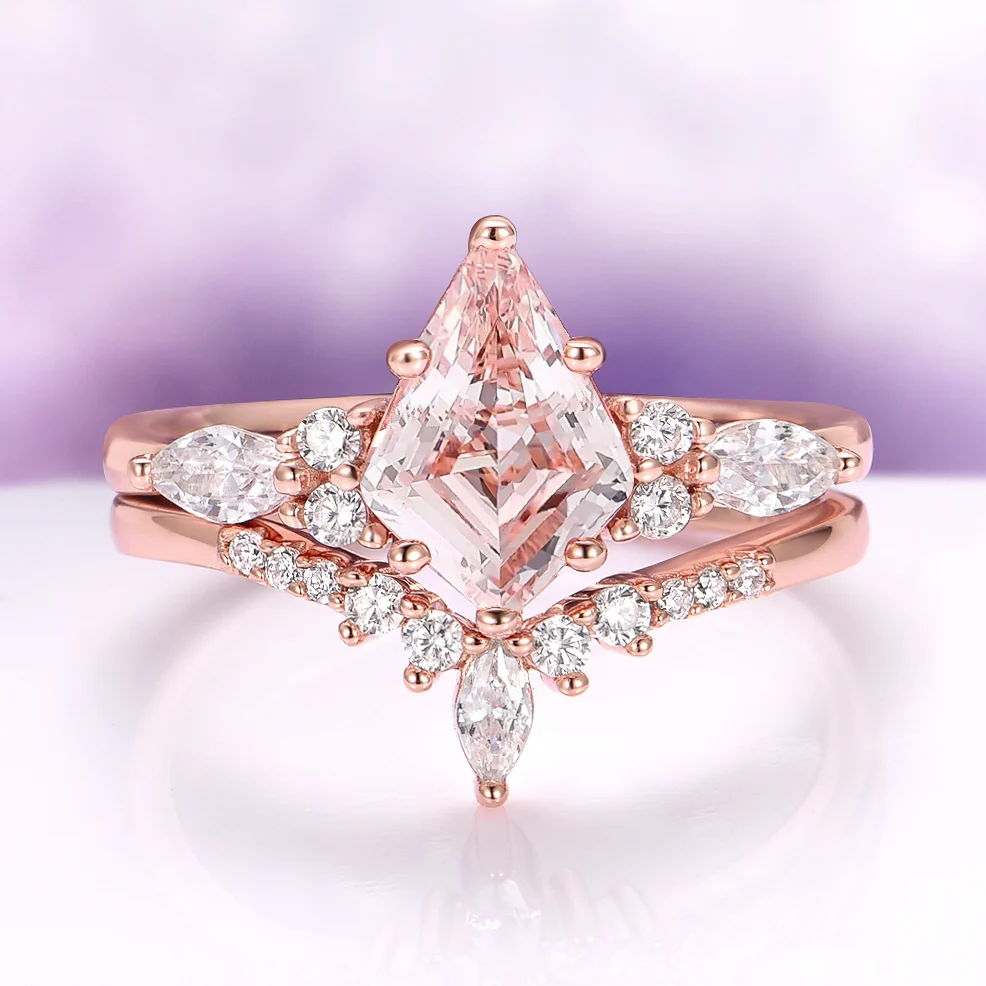
Once you decide you want something beyond a round or oval, you enter the world of fancy cuts – and there are several distinctive shapes to weigh. The kite cut is one of the boldest, but how does it compare to its geometric cousins? Here is how to think about the kite cut alongside other fancy shapes.
Kite vs hexagon
The hexagon is another geometric favorite, but where the hexagon is six-sided and balanced, the kite cut is four-sided and pointed, giving it more drama and directionality. The hexagon reads as steady and honeycomb-like; the kite reads as dynamic, drawing the eye toward its points. Both are distinctive, but the kite has more edge in every sense.
Kite vs marquise
The marquise shares the kite’s pointed drama but is curved and elongated, where the kite is straight-sided and angular. A marquise feels soft and regal; a kite feels sharp and modern. If you love the elongating effect of points but want a more geometric, architectural look, the kite is the natural choice over the marquise.
Kite vs shield and other geometrics
Shapes like the shield and the trapezoid share the kite’s angular family, but the kite’s symmetrical, twin-pointed silhouette is one of the most recognizable of the group. Its clean, balanced geometry makes it easier to build a ring around than some of the more irregular geometric cuts, which is part of why it has become such a popular alternative shape.
Kite vs round and oval
Against the classics, the contrast is starkest. Round and oval cuts are timeless and safe; the kite cut is for people who want to step away from convention entirely. Neither choice is wrong – it depends on whether you want a shape everyone recognizes or one that turns heads. The kite is unapologetically the latter.
How to decide
The best way to choose among fancy cuts is to consider how bold you want to be and what feels like you. If you want maximum individuality with clean, modern geometry, the kite cut is hard to beat. Comparing shapes side by side helps – a range of kite shaped engagement ring options shows how the cut holds its own against the alternatives.
Trust your eye
In the end, no comparison chart beats seeing shapes on your own hand. Fancy cuts read very differently in person than in photos, so if you can, look at a few together. Makers who work across shapes, like the Aquamarise site, can show how the kite compares to its cousins.
Mixing shapes in one ring
One thing worth knowing is that the kite cut does not have to stand alone – it pairs beautifully with other shapes in a single design. A kite center flanked by smaller accent stones, or set against contrasting geometric side stones, can create a ring that is genuinely one of a kind. This is where comparing fancy cuts gets interesting, because understanding how the kite relates to its cousins helps you imagine how they might work together. If you love more than one shape, you may not have to choose between them at all – a thoughtful design can bring them into harmony around a kite cut center.
The takeaway
Among fancy cuts, the kite stands out as bolder than the hexagon, more geometric than the marquise, and more recognizable than the shield. If you want a modern, architectural shape with real individuality, the kite cut earns its place at the top of the fancy-cut list – especially once you see it in person.
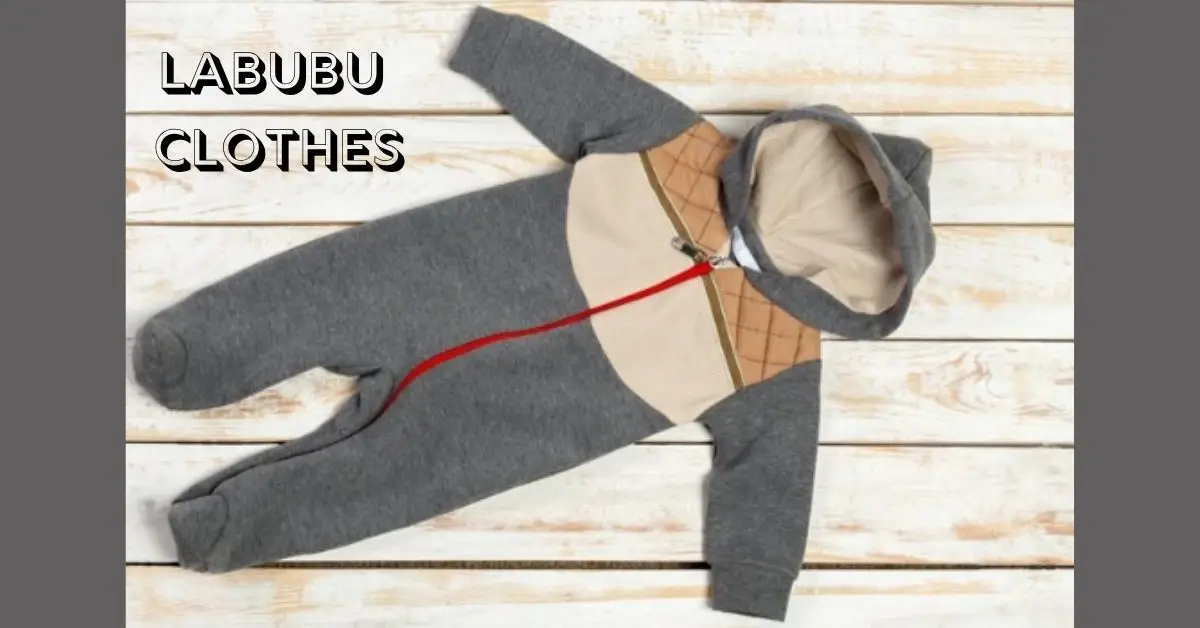
In the vibrant world of designer toys and collectible figures, few names spark as much curiosity and admiration as Labubu. These whimsical, mischievous characters have captured hearts globally, not just for their expressive faces but for their evolving sense of style. From playful costumes to intricately crafted outfits, labubu clothes have become a defining element of their charm. Collectors and enthusiasts are no longer just buying figures—they are curating wardrobes, telling stories, and expressing personality through miniature fashion. This growing fascination has transformed Labubu from a simple collectible into a creative lifestyle trend that blends art, fashion, and imagination seamlessly.
The Rise of Labubu and Its Fashion Identity
Labubu’s popularity didn’t happen overnight; it emerged from a broader cultural appreciation for designer toys and character-based art. As collectors sought more than static figures, the introduction of unique outfits elevated these toys into dynamic expressions of style. Clothing added depth, turning each figure into a character with its own narrative and personality. This shift aligned perfectly with global trends where customization and individuality became highly valued.
The fashion identity of Labubu figures reflects a mix of streetwear, fantasy, and seasonal themes. Designers often experiment with textures, colors, and cultural influences, giving each outfit a distinct voice. Whether it’s a cozy winter look or a bold festival costume, these outfits are crafted with attention to detail, making them miniature masterpieces that resonate with both toy collectors and fashion enthusiasts alike.
Will You Check This Article: Choosing the Perfect High Chair for Comfort & Safety
Why Labubu Clothes Are More Than Just Accessories
At first glance, outfits for collectible toys might seem like simple add-ons, but they serve a much deeper purpose. Clothing transforms Labubu figures into storytelling tools, allowing collectors to create scenes, moods, and even entire fictional worlds. Each outfit becomes a reflection of creativity, turning a static object into something emotionally engaging and visually dynamic.
Beyond storytelling, these garments also represent craftsmanship. Many are handmade or produced in limited quantities, making them highly desirable among collectors. The attention to stitching, fabric selection, and design mirrors real-world fashion, blurring the line between toy accessories and wearable art. This artistic value is a major reason why enthusiasts invest heavily in building unique wardrobes for their figures.
Exploring Popular Styles in Labubu Clothes
One of the most exciting aspects of collecting Labubu outfits is the diversity of styles available. From casual streetwear-inspired looks to elaborate fantasy costumes, there is something to suit every aesthetic preference. Some collectors gravitate toward minimalist designs, while others prefer bold, statement-making ensembles that stand out in displays.
Seasonal and themed outfits are particularly popular, often reflecting holidays, cultural events, or trending fashion movements. For example, winter collections may feature knitted sweaters and scarves, while summer styles lean toward bright colors and lightweight fabrics. This variety keeps the collecting experience fresh and engaging, encouraging enthusiasts to continuously expand their collections with new and creative pieces.
How Labubu Clothes Reflect Personal Expression
For many collectors, dressing their Labubu figures is a deeply personal experience. It’s not just about aesthetics—it’s about identity and self-expression. The choice of outfit can reflect the collector’s mood, interests, or even their own fashion sense. In this way, Labubu becomes an extension of the collector’s personality.
This personalization aspect has fostered a strong sense of community among enthusiasts. People share photos, styling ideas, and custom creations online, inspiring others to experiment with their own collections. The ability to mix and match outfits, create unique combinations, and even design custom pieces makes this hobby incredibly interactive and fulfilling.
The Craftsmanship Behind Labubu Clothes
The level of detail in these miniature outfits is truly remarkable. Designers often use high-quality materials and precise techniques to ensure that each piece looks realistic despite its small size. From tiny buttons to carefully stitched seams, every element is thoughtfully executed to maintain authenticity and durability.
Handcrafted pieces are especially valued, as they showcase the artisan’s skill and creativity. Many independent creators have entered the scene, offering custom designs that cater to niche tastes. This has led to a thriving marketplace where collectors can find one-of-a-kind items that elevate their figures to a new level of sophistication and uniqueness.
Collecting and Maintaining Labubu Clothes
Building a collection of outfits requires careful consideration and organization. Enthusiasts often categorize their items based on themes, colors, or seasons to make styling easier. Proper storage is also essential to preserve the quality of fabrics and prevent damage over time.
Maintenance involves gentle handling and occasional cleaning, depending on the material. Since these garments are delicate, collectors must take extra care to avoid wear and tear. Investing in protective cases or display units can help keep outfits in pristine condition while also showcasing them beautifully. This level of care reflects the value and importance these items hold within the collecting community.
The Influence of Trends on Labubu Clothes
Fashion trends play a significant role in shaping the designs of Labubu outfits. Just like in the real world, styles evolve based on cultural shifts, seasonal changes, and popular aesthetics. Designers often draw inspiration from runway fashion, street style, and global influences to create pieces that feel contemporary and relevant.
Social media has amplified this trend-driven approach, allowing collectors to stay updated on the latest releases and styling ideas. Viral posts and influencer showcases can quickly popularize certain looks, leading to increased demand for specific designs. This dynamic environment keeps the hobby exciting, as there is always something new to discover and incorporate into a collection.
Conclusion
The world of Labubu has grown far beyond simple collectibles, evolving into a vibrant intersection of art, fashion, and personal expression. Labubu clothes play a central role in this transformation, offering endless opportunities for creativity and storytelling. From intricate craftsmanship to diverse styles, these outfits have captured the imagination of collectors worldwide, turning each figure into a unique work of art.
As the community continues to expand, the demand for innovative designs and high-quality pieces shows no signs of slowing down. Whether you are a seasoned collector or just beginning your journey, exploring the world of Labubu fashion opens up a realm of possibilities. It’s not just about dressing a toy—it’s about creating a narrative, expressing individuality, and embracing a hobby that blends creativity with passion in the most delightful way.
Read More: Pointmagazine.co.uk
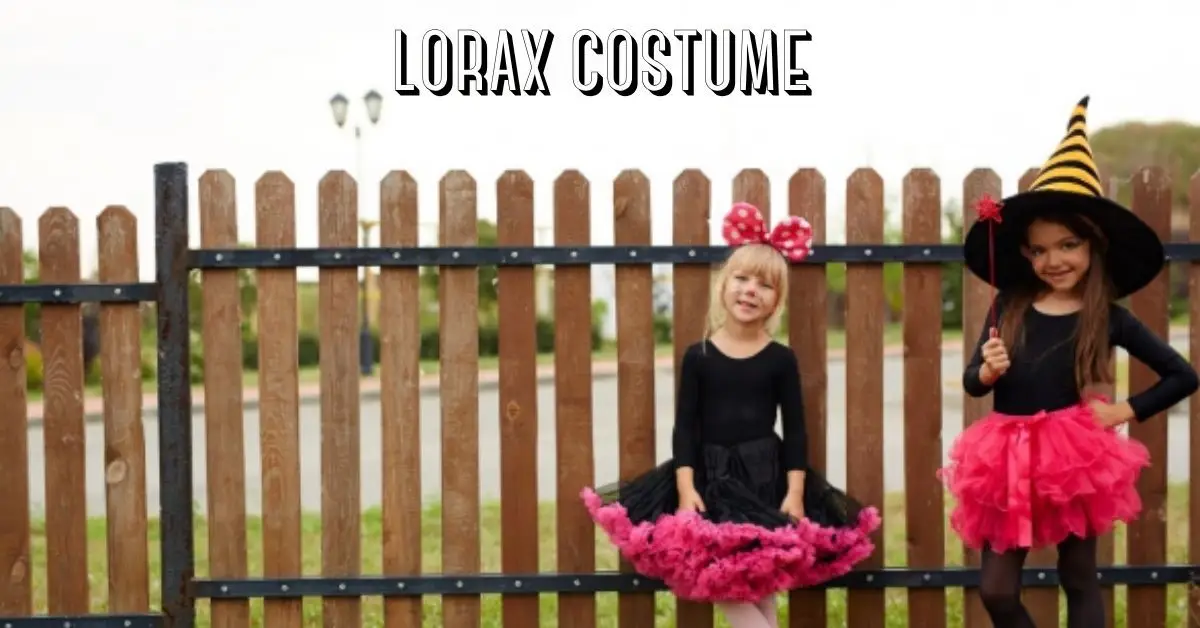
The charm of dressing up as a beloved character never fades, especially when it comes to something as iconic and meaningful as a lorax costume. Inspired by the timeless environmental tale, this look blends creativity, nostalgia, and a touch of playful rebellion against environmental neglect. Whether you’re preparing for a themed party, a school event, or simply want to stand out at a costume gathering, this character offers a vibrant and memorable choice. From the unmistakable orange fur to the bushy mustache, every detail brings personality to life. This guide dives deep into everything you need to know to create an unforgettable outfit that captures both the visual appeal and the deeper message behind the character.
The Cultural Significance Behind the lorax costume Look
The lorax costume is more than just a quirky, mustached figure with a bright orange body; he represents a powerful message about environmental responsibility and speaking up for nature. Choosing this costume means embracing a character that stands for conservation, making it a meaningful choice rather than just a fun disguise. Over the years, this figure has become a symbol of advocacy, reminding people of the importance of protecting natural resources and ecosystems.
When you wear this outfit, you’re embodying a story that resonates across generations. It’s instantly recognizable, yet it also carries a deeper narrative that can spark conversations. Whether worn by children or adults, it allows the wearer to step into a role that blends humor with purpose. That duality is what makes it such a compelling and enduring costume choice.
Will You Check This Article: Labubu Clothes: The Ultimate Guide to Stylish Collectibles
Key Elements That Define a Lorax Costume
The visual identity of this character is bold and unmistakable, making it essential to get the core elements right. The bright orange color is the foundation, typically represented through a fuzzy suit or coordinated clothing pieces that mimic fur. This vibrant hue instantly captures attention and sets the tone for the entire look.
Equally important is the oversized yellow mustache, which serves as the character’s signature feature. It should be thick, bushy, and slightly exaggerated to maintain authenticity. Additional details like bushy eyebrows and a round body silhouette help complete the transformation. By focusing on these defining features, you ensure that your outfit is instantly recognizable and visually impactful.
DIY vs. Store-Bought: Choosing the Best Approach
When it comes to creating your outfit, you have two primary options: crafting it yourself or purchasing a ready-made version. A DIY approach allows for greater customization and creativity. You can experiment with materials, textures, and proportions to create a unique interpretation that stands out. It’s also a cost-effective option if you already have some of the materials on hand.
On the other hand, store-bought costumes offer convenience and consistency. They’re designed to closely resemble the original character and often include all necessary components in one package. This is ideal for those who are short on time or prefer a polished, professional look. Both approaches have their merits, so the choice ultimately depends on your priorities and available resources.
Materials and Fabric Choices for Authenticity
Selecting the right materials is crucial for achieving a realistic and comfortable look. Faux fur fabrics are a popular choice for replicating the character’s fluffy appearance, providing both texture and visual depth. Soft fleece is another excellent option, offering warmth and ease of movement while maintaining the vibrant orange tone.
For the mustache and eyebrows, felt or craft foam works well due to its lightweight nature and ease of shaping. These materials allow you to create exaggerated features without adding unnecessary bulk. Additionally, breathable fabrics should be considered, especially if the costume will be worn for extended periods. Balancing authenticity with comfort ensures a more enjoyable experience overall.
Styling Tips to Bring the Character to Life
Beyond the basic outfit, styling plays a significant role in making the costume truly stand out. Makeup can enhance the transformation, with subtle shading used to create a rounder facial appearance. Adding a touch of yellow around the mouth area helps blend the mustache seamlessly with the rest of the look.
Body language and expressions are equally important. The character is known for his expressive gestures and slightly grumpy demeanor, so incorporating these traits can elevate your portrayal. Practice a few signature poses or lines to fully embody the role. These small details can make a big difference in how the costume is perceived by others.
Accessories That Enhance the Overall Look
Accessories can take your outfit from good to exceptional by adding depth and personality. Consider carrying small props that align with the character’s environmental theme, such as miniature trees or signs promoting conservation. These additions not only enhance the visual appeal but also reinforce the character’s message.
Footwear should also be chosen carefully to match the overall aesthetic. Simple, neutral-colored shoes or custom covers that blend with the orange outfit work best. Gloves or hand coverings can complete the look, ensuring consistency from head to toe. Thoughtful accessorizing ties everything together and creates a cohesive appearance.
Occasions Perfect for Wearing This lorax costume
This lorax costume is incredibly versatile, making it suitable for a wide range of events. It’s a popular choice for Halloween, where its bright colors and recognizable features make it a standout option. It’s also ideal for school plays, themed parties, and environmental awareness events, where its message can resonate with audiences.
In addition, it works well for cosplay conventions and community gatherings. The character’s universal appeal ensures that it will be appreciated by people of all ages. Whether you’re aiming to entertain, educate, or simply have fun, this outfit adapts settings while maintaining its charm.
Conclusion
Creating or wearing a lorax costume is more than just a creative endeavor; it’s an opportunity to step into a role that blends humor, nostalgia, and purpose. From the vibrant orange outfit to the iconic mustache, every element contributes to a look that is both visually striking and deeply meaningful. By paying attention to details, choosing the right materials, and embracing the character’s personality, you can create a memorable and impactful appearance.
Ultimately, this costume allows you to express individuality while connecting with a timeless message about environmental care. Whether you opt for a DIY approach or a ready-made version, the key lies in bringing the character to life with authenticity and enthusiasm. With the right preparation and creativity, your portrayal will leave a lasting impression and inspire others to appreciate the world around them just a little bit more.
Read More: Pointmagazine.co.uk
-

 Health8 months ago
Aslan Pharma Steroids: Product List and User Reviews
-

 Business8 months ago
5 Functional Analysis Screening Tools Every ABA Therapist Should Know in 2026
-

 Business9 months ago
Voozon.com Explained: Meaning, Features, and Online Use
-

 Technology8 months ago
How Creative Industries Are Evolving with Talking Photo AI and AI Music Video Generators
-
 Celebrity10 months ago
Discovering Philip Taptiklis: The Unsung Backbone Behind a Star’s Success
-
 Blog10 months ago
Discovering Messeregge: A Complete Guide to Its Meaning, Use & Insights
-
 Celebrity6 months ago
Sergio Novak – Biography of the Man Behind the Spotlight
-
 Celebrity10 months ago
Emma Murphy | The Resilient Journalist Making Headlines Worldwide